Are you bee-curious?
Join the hive mind at Willow Springs Honeybee Sanctuary. Plus, thanks to WAGS animal shelter for helping chemical-plant crisis evacuees.
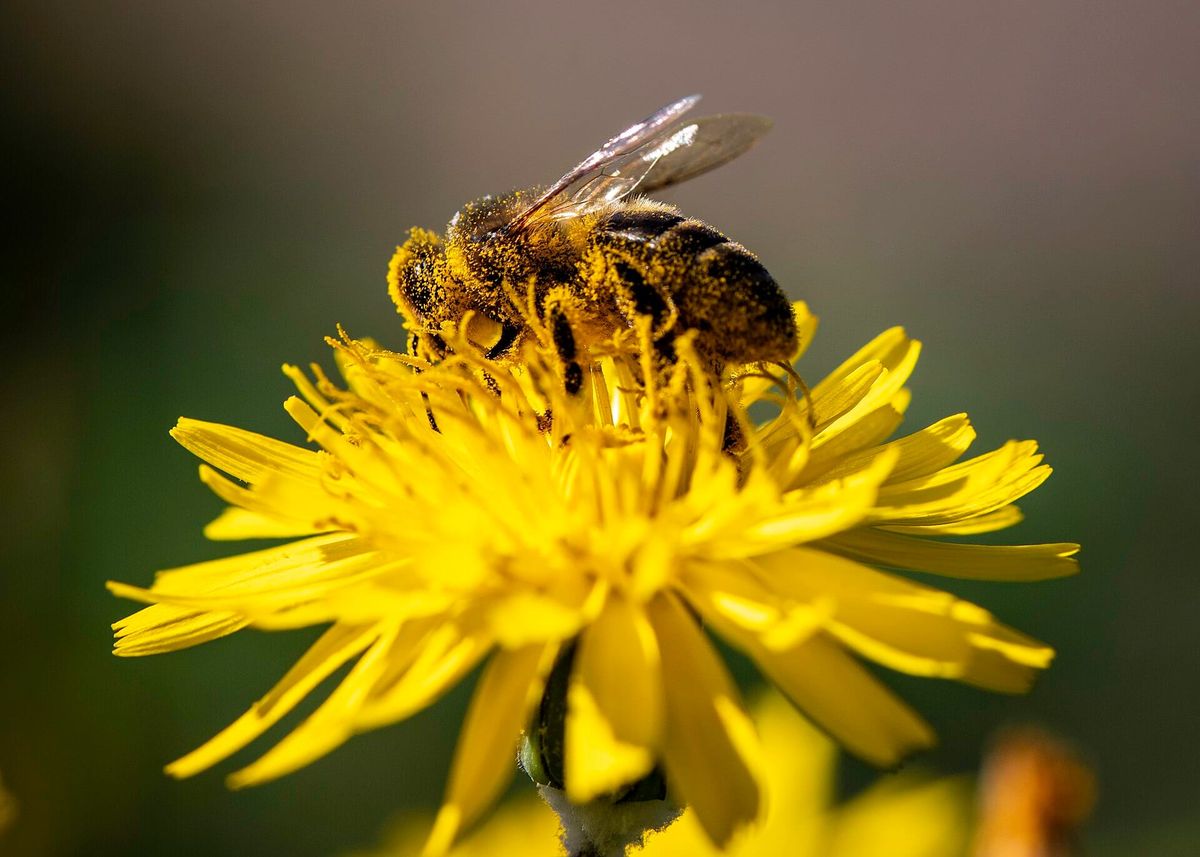
You could probably live in Long Beach all your life and still discover quirky, unique features that were secrets only because you hadn’t found them yet. There’s a tunnel under Ocean Boulevard and what’s reportedly the skinniest house in the U.S. on Gladys Avenue. You might or might not know that there’s also a bee sanctuary near Orange Avenue.
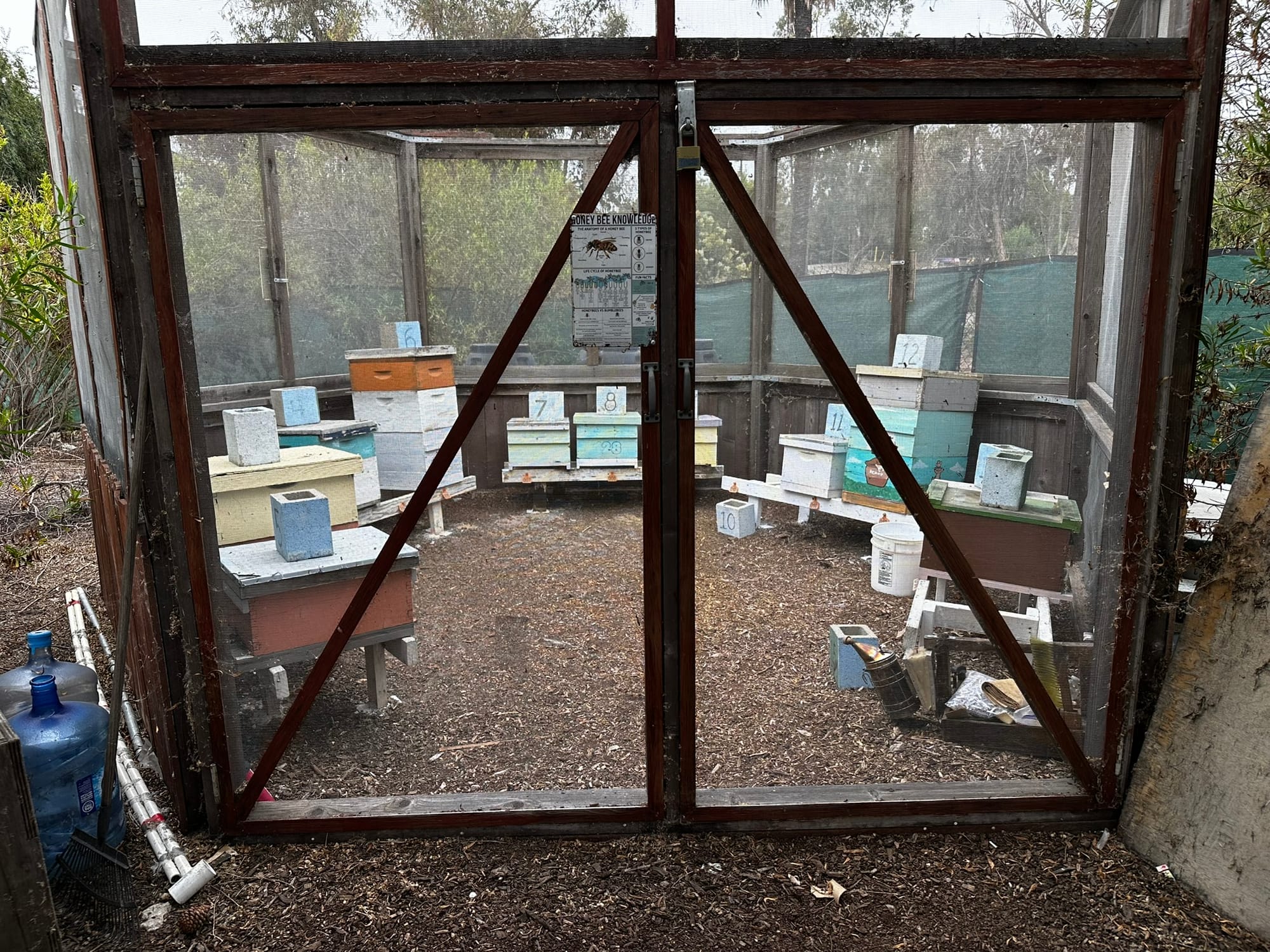
The Willow Springs Honey Bee Sanctuary is tucked into Willow Springs Park off Orange Avenue. The Sanctuary is the creation of the Long Beach Beekeepers (LBB), a nonprofit dedicated to educating the public about alternatives to killing unwanted honey bee colonies and keeping colonies alive. Dick Barnes, Roberta Kato, Ray Teurman, Jaime Guoz, Henry Kurland and Barbara Sinclair were the king and queen bees of the nonprofit, which they founded in February 2012.
The founders developed plans for a bee refuge; the Long Beach Department of Parks, Recreation and Marine approved the project in 2016 and provided the acreage. LBB celebrated the Sanctuary’s grand opening in 2017 and established itself as a nonprofit in 2018.
“In a sentence that uses no original phrasing, we are an educational nonprofit, and this is really our crown jewel,” said Jacob Dickinson, LBB’s president. “I don’t know of another club that has anything like this. The fact that my predecessors were able to pull this together in this area is pretty special.”
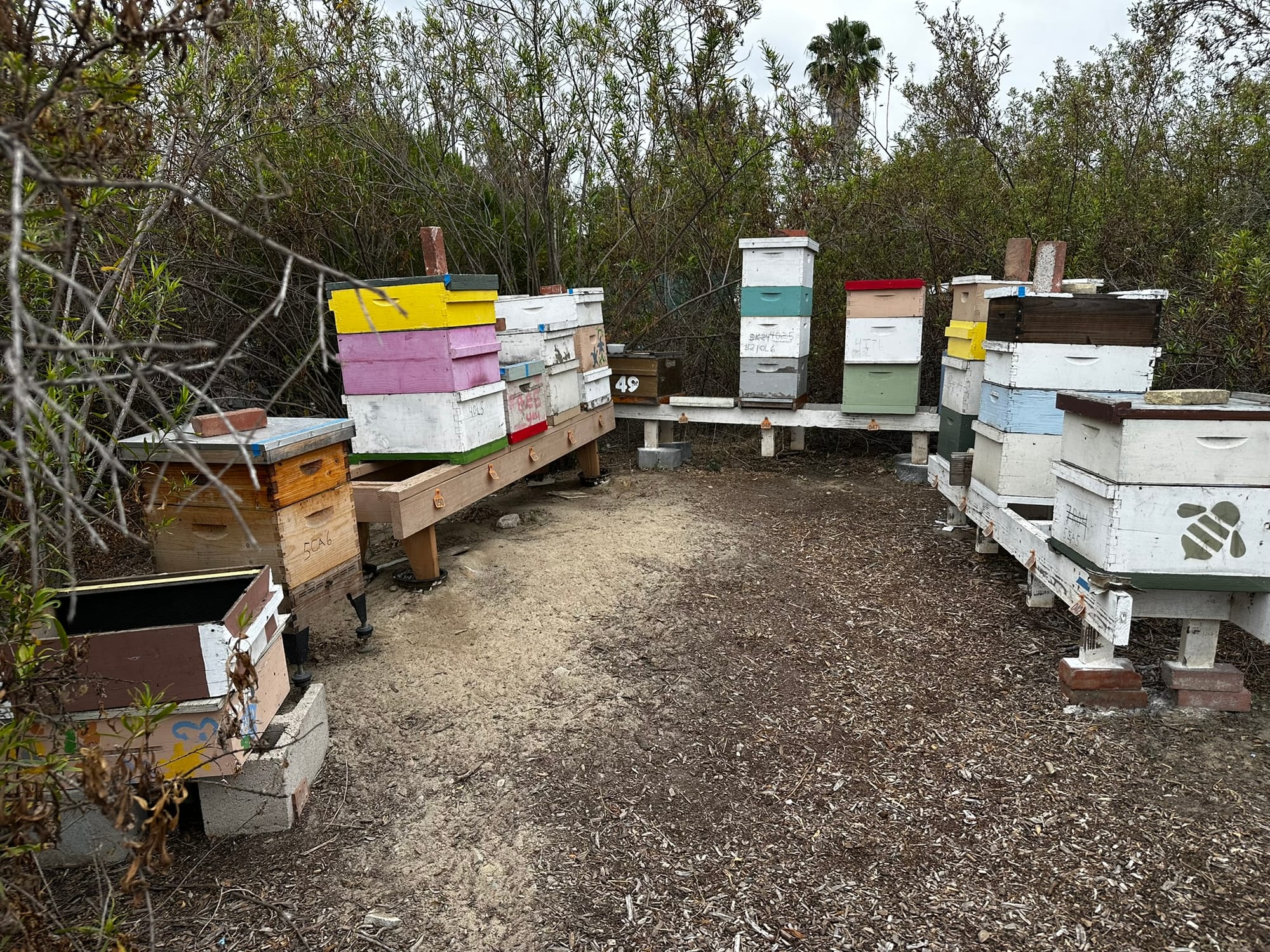
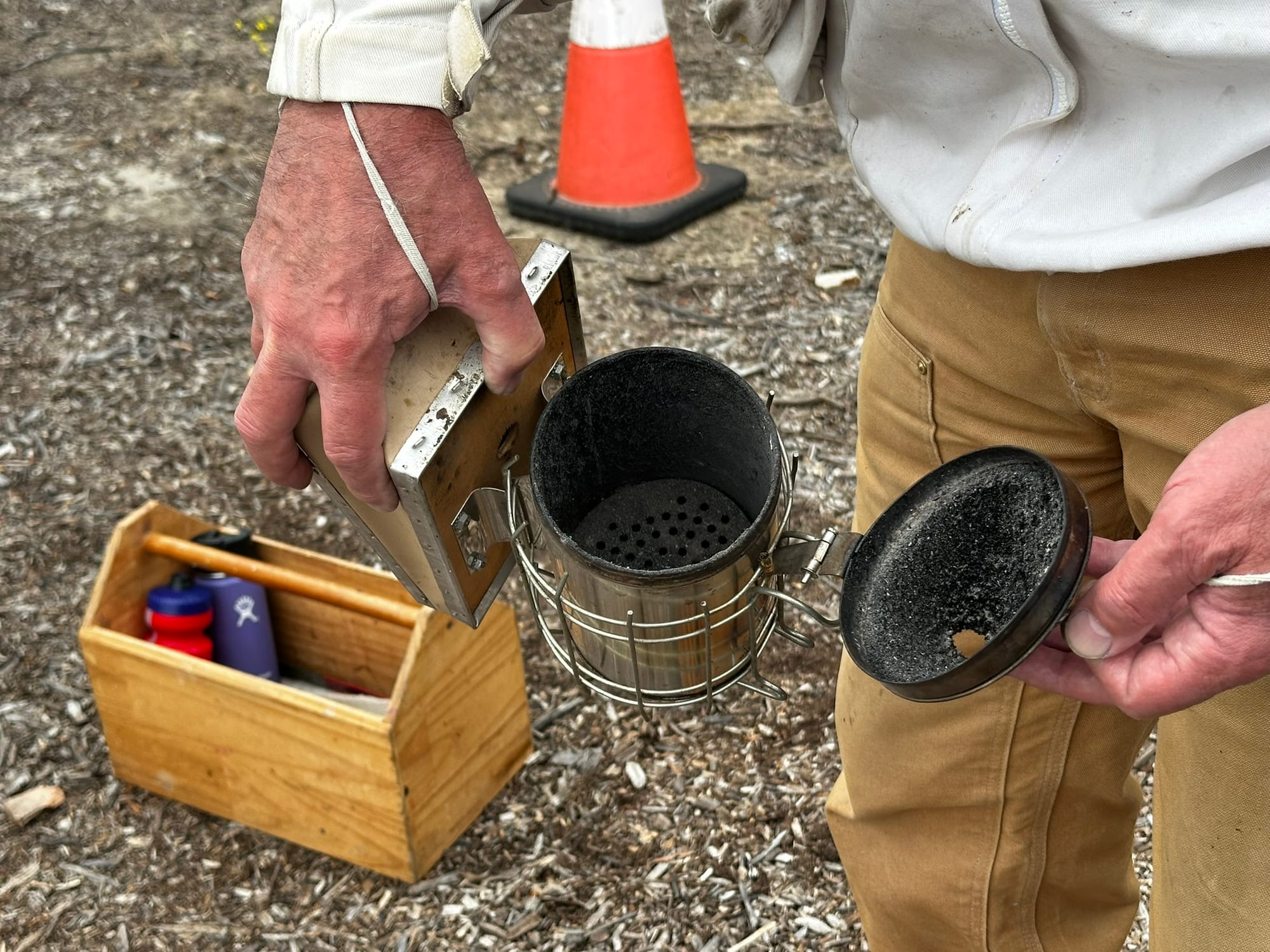
So it is. On Sanctuary grounds, apart from a roar from a modified engine, you’re out of the city and inside a folktale. Trees are tall, birds sing continuously, the air is rich with the scent of the earth and smoke from the smokers, and bees buzz happily around your veiled face. I was dressed to suppress on the day I went, so I had no fear until one fuzzy little working girl perched on my ungloved hand — I needed access to my camera and recorder, and gloves would have gotten in the way.
“Take a few deep breaths,” Dickinson said. I did, and the bee left after satisfying themself that I wasn’t an intruder. My hands were in my pockets most of the time after that.
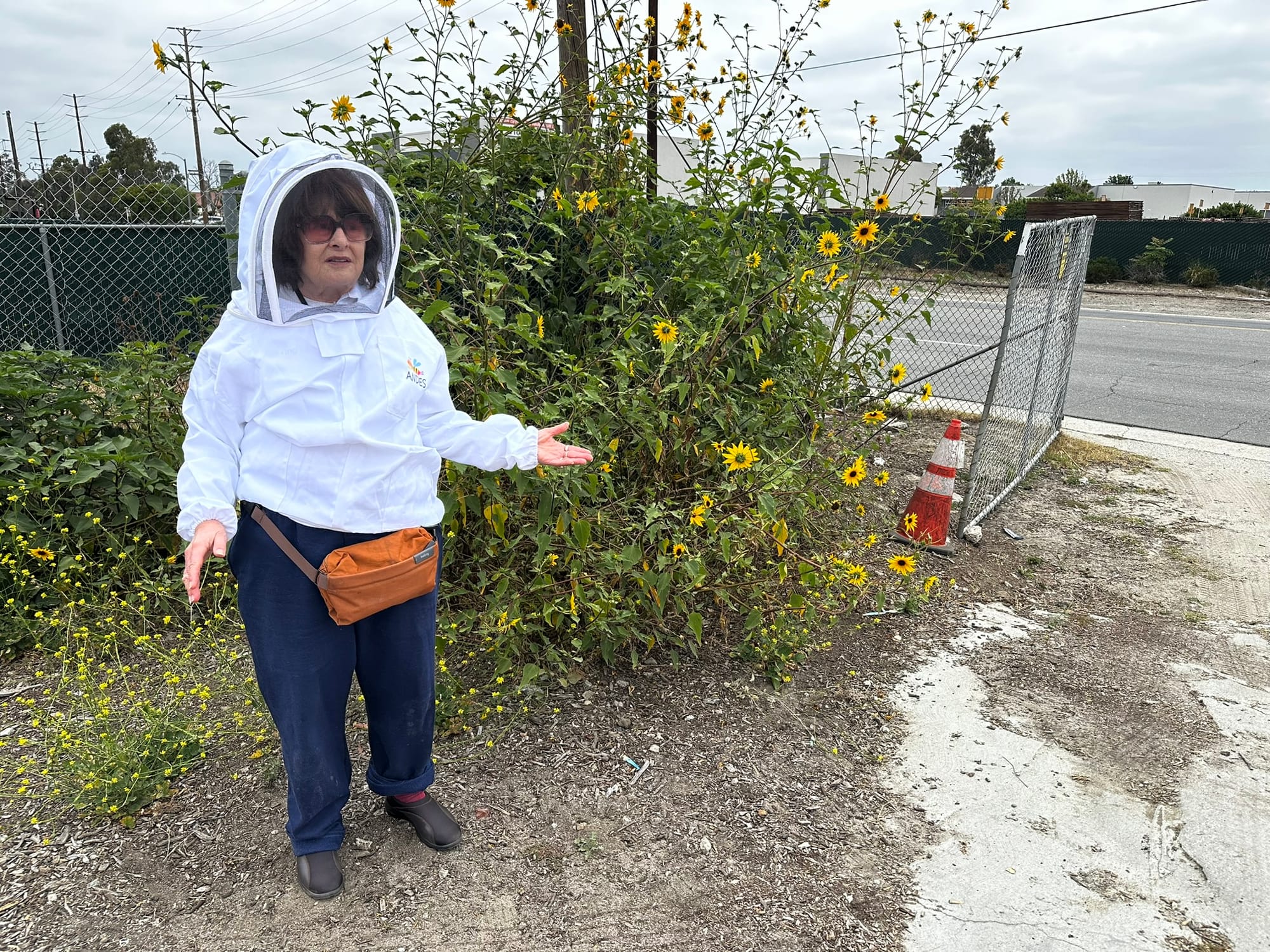
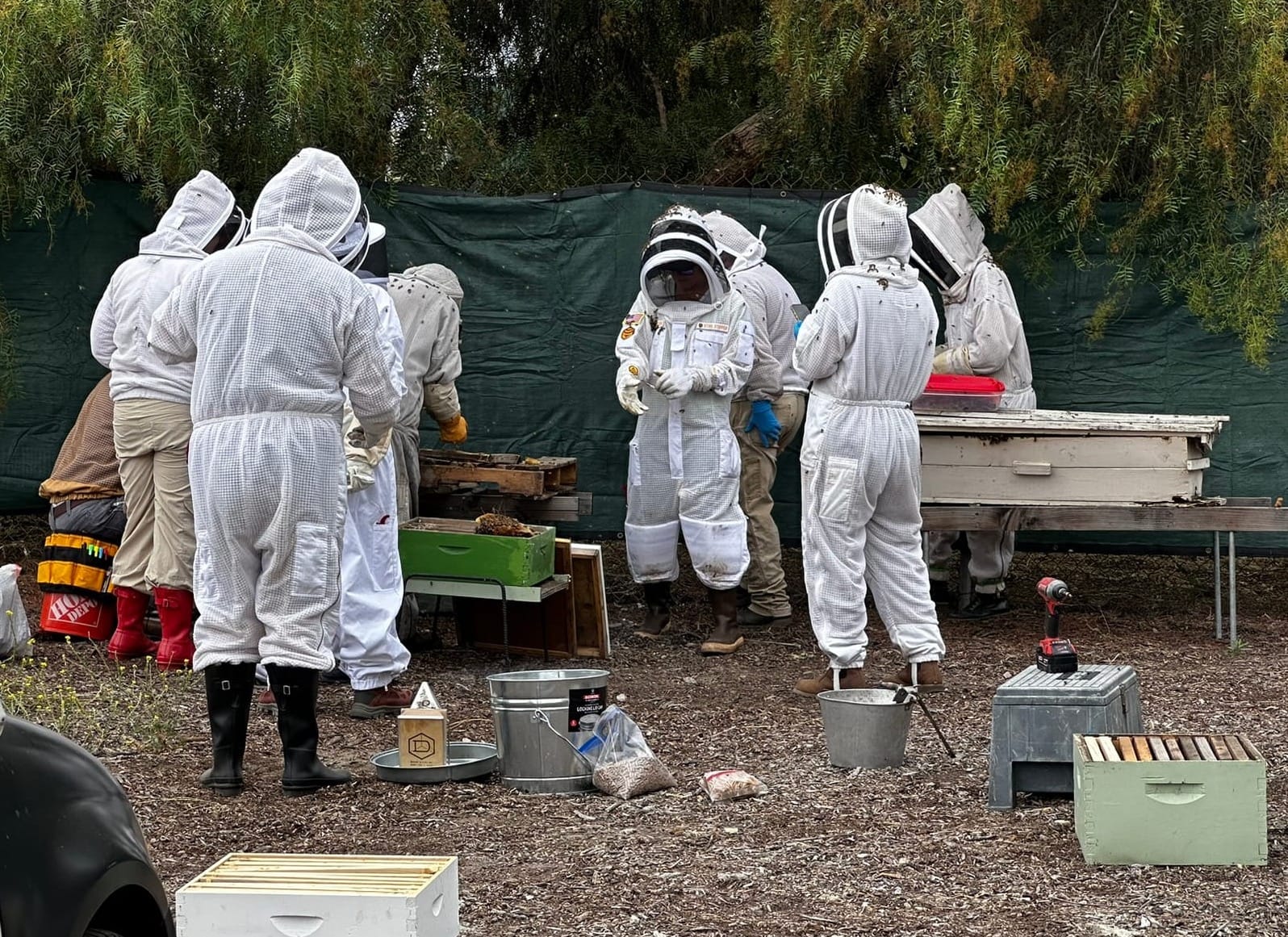
Willow Springs isn’t a tourist attraction, and there’s no gift shop. No organized tours are held — Dickinson said that anyone curious about the Sanctuary or beekeeping in general is invited to take LBB’s Beekeeping 101, a free class that teaches the essentials of beekeeping. Anyone wanting to dip further into the honeypot of beekeeping knowledge can take advanced classes, volunteer, or attend events.
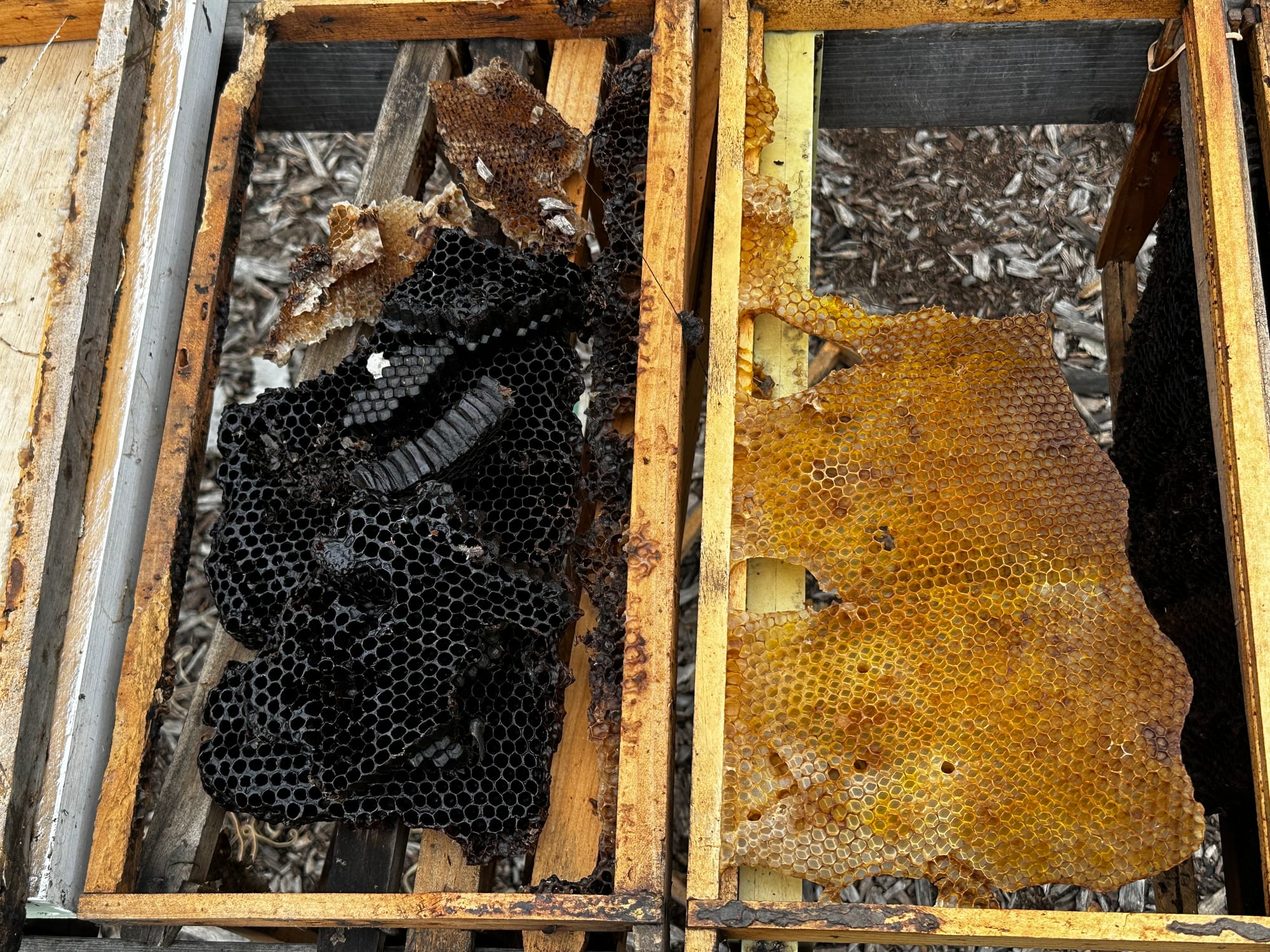
Birth of the buzz
Henry Kurland, who died in 2023, was the driving force of LBB, in the words of cofounder Barbara Sinclair. Around 2014, Kurland led a swarm of LBB members to lobby the city of Long Beach to amend the municipal code to allow urban agriculture, including bees. The amendment passed the City Council unanimously in 2015, and now livestock regulations permit residents to keep up to 20 chickens (no roosters) and one pair of goats (males must be neutered) provided they have the space. With the proper space, height and other constraints, specific beekeeping regulations permit residents to keep up to four beehives.
There exist as many facets about bees and beekeeping as there are cells in a honeycomb. First, there’s the bee-cause of beekeeping (it’s so easy to wax punny in the bee world): Bees are the most important insect pollinators, according to Britannica; without them, plants would struggle to reproduce, which would affect agriculture and entire ecosystems. The result would affect animal species and result in extreme shortages of fruits, vegetables and nuts. You think things are expensive now? You have the bees to thank that it’s not worse.
Britannica also cited 20,000 species of bees; Dickinson said that about 2,000 species live in California. No place in the world, he said, has more diversity in apian genetics. Most honeybees were imported from Europe, but the predominant species, Apis mellifera, originated in Africa. Dickinson cited Italian and Russian bees as the most popular with commercial beekeepers.
“The different ‘nationalities’ of bees have different temperaments and resistance to disease,” Dickinson said. “That kind of genetic diversity may give us some raw material for developing bees that are better at coping with future conditions: climate change, different pests and parasites. [Also], the managed bees, the expressly bred bees that come in different strains, are more predictable, productive, docile, easy to work with, and expose you to less liability, like for the guys who take their hives to orchards for pollination.”
Furthermore, bees set up housekeeping wherever, Dickinson said. All you need is the right hive with an attractive pheromone bait to get them to move in.
Honeybees inspect a vacant hive, thinking it might be a honey of a deal. Video by Kate Karp
And of course, without making wild claims, honey is good for you. Honey goes down smoothly against a sore throat, is an anti-inflammatory agent, and has a pretty much infinite shelf life. It also tastes wonderful. Finally, keeping the bees around is good not just for the bees but for the entire planet.
Comb through the classes
If you’re interested in beekeeping, volunteering, or just being part of the hive mind, check out the classes right here. Beekeeping 101 is free, and Dickinson said that it’s the perfect start for someone who wants to “bee-curious,” a coinage of Kurland, as long as they don’t complain about not being allowed to wear sandals and dressing up in a thick jacket, gloves and a funny hat. Other classes have fees, which offset the costs of the classes themselves. They offer hands-on experience with maintaining hives at home, honey extraction, community projects, and special interests like making mead and soap.
“We're also offering classes in other languages,” Dickinson said. “Our Spanish language version of Beekeeping 101 has been popular. We're preparing to offer Tagalog translation, and I hope we can come up with a Khmer offering. It's the Long Beach way!”
The “classroom” is wherever the focus is. Classes are held outdoors at the Sanctuary, in a community garden and anywhere that fits the purpose.
Children’s minds need pollination, too, and LBB has classes for kids as young as 5 — yes, they make bee suits that small and in different colors and designs. Di LaPlume, LBB’s education chair, coordinates classes for all ages, including Beekeeping 101 for Kids, which LBB holds a couple of times a year.
“We don't advertise in advance, as it fills up in about a half-second due to the small size of the class — six kids with their respective parents,” LaPlume said. “We publish it to members, and it fills up immediately.”
The minimum age for the general Beekeeping 101 class, offered twice a month, is 8. LBB reaches more children through presentations at schools, youth groups and events. LBB volunteers bring a frame of bees enclosed in a case and give a bee-activity lesson. LaPlume also teaches beekeeping to a 4-H group in Palos Verdes, with the support of LBB.
“My own daughter, now 16, is the reason I started my own beekeeping journey,” LaPlume said. “At four and a half, she wanted to learn about bees. I had heard about Beekeeping 101, so we went to check it out. Fast forward 12 years, and here we are. For a few years, [my daughter] helped me teach Beekeeping 101 at the South 40 Community Garden. She won Best of Show honey at the OC Fair in 2019, at age nine. It was a big upset because she was a kid!”
Butterscotch-tinged honey
The classes were Long Beach residents Elizabeth and Pat Schirmer’s first step toward homespun beekeepers.
“Many years ago, I saw a notice for an event at the local library to learn about beekeeping,” Elizabeth said. “It sounded interesting, so both Pat and I went. He was skeptical. At the session, the speaker talked about the seasonal honey harvest. Pat was sold at the idea of honey. One year we harvested five gallons of honey. Our Long Beach honey had a distinctive butterscotch taste to it.”
Once the Schirmers discovered that they could have a hive on their second-story balcony because it fell within the height prerequisites, they became avid apiarists. They had collected a few hives in Seattle, and now, all they needed were bees. At an LBB meeting, they discovered that bees are free in Southern California.
“With our area’s history of agriculture, there are plenty of honeybees descended from swarmed bees,” Elizabeth said. “They live in roofs, tree stumps, palm trees, irrigation boxes. Put out some hive boxes, they told us, and bees will show up. That’s an oversimplification and might not work for everyone, [but our hives] had an attractive scent.”
The couple set the hives boxes on the deck, and bees took residence within two weeks.
Probably best to try this only after a Beekeeping 101 and the Bee Prepared classes, BTW.
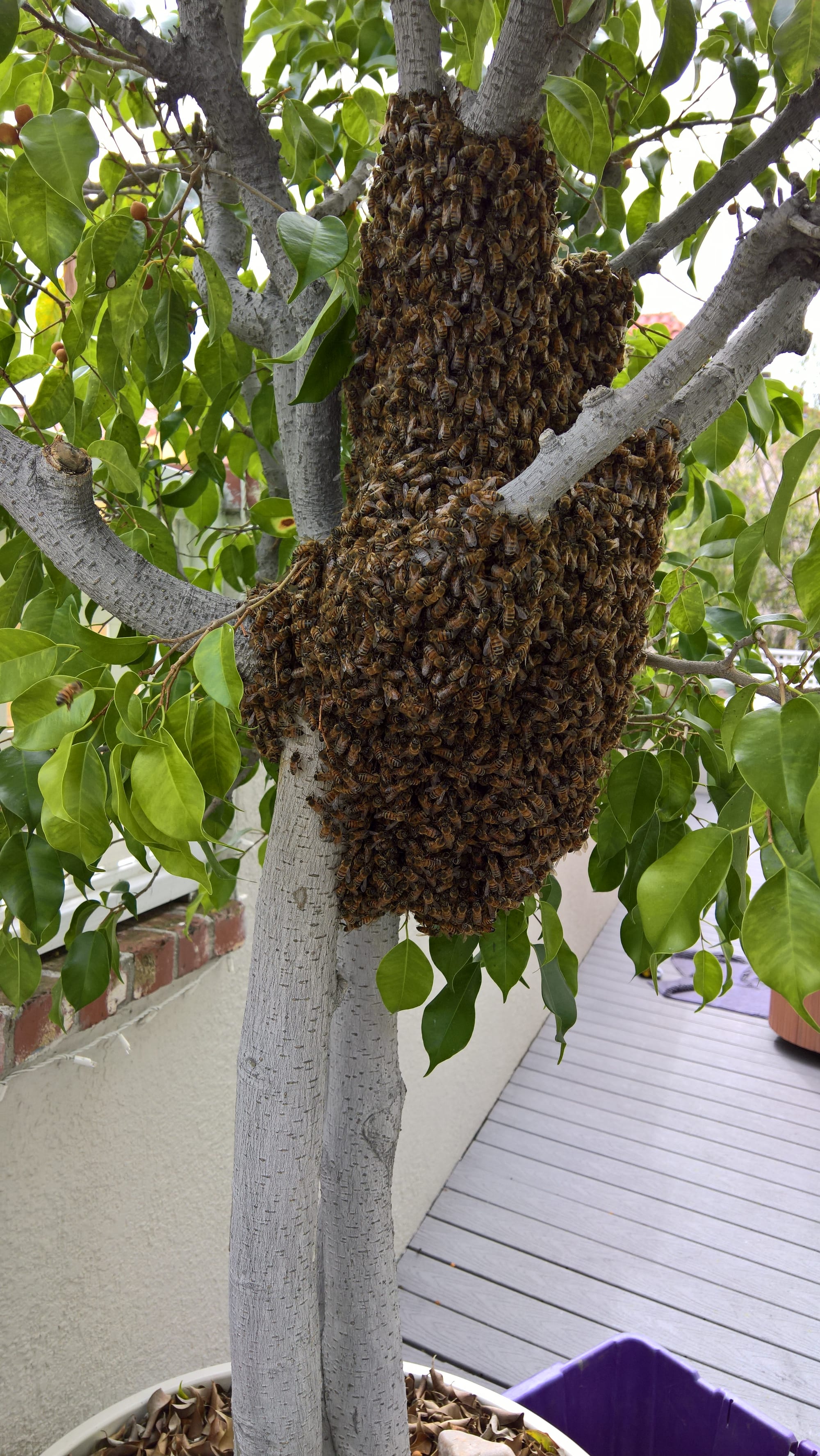
Speaking of intimidation by bee, they don’t come swarming after you out of nowhere, like in an Elmer Fudd cartoon. But you have to maintain a respectful distance from a hive.
“They don’t want to charge and sting, but they are protecting their honey and their brood,” Dickinson said. “If you get too close, you may get stung. Allergic reactions are definitely a concern, but people with these reactions know to carry EpiPens. In general, the bees are sticking to their flight paths or they’re browsing around in flowers. They really don’t have a whole lot of interest in you.”
If you have a whole lot of interest or concern about bees and beekeeping, click this link for LBB events and classes. Donate here to help keep our section of the planet buzzing.
Note from LBB: Long Beach Beekeepers does NOT provide bee rescue services. Los Angeles County (800-BEE-WARY or 800-233-9279) maintains a list of beekeepers who provide this service for a fee.
This article has been updated for corrections.
YOURS DROOLY
Generally, hyperlocal rescues and shelters are the focus for Yours drooly, but animals from a shelter a little farther out of town will star in today’s column. The pets are hopefuls living at WAGS Animal Shelter in Westminster. WAGS deserves a paw bump for its generosity and concern for animals whose families evacuated during the chemical tank threat. The shelter serves the neighboring communities, and like most shelters have already stretched resources, yet free room and board were made for community pets.
If you’re up for adopting a dog, you can help make some more room at WAGS. They have too many dogs — again, like most shelters — and these guys are among the favorites. Check out these dogs and all the adoptables here. Click on any pet for adoption instructions.
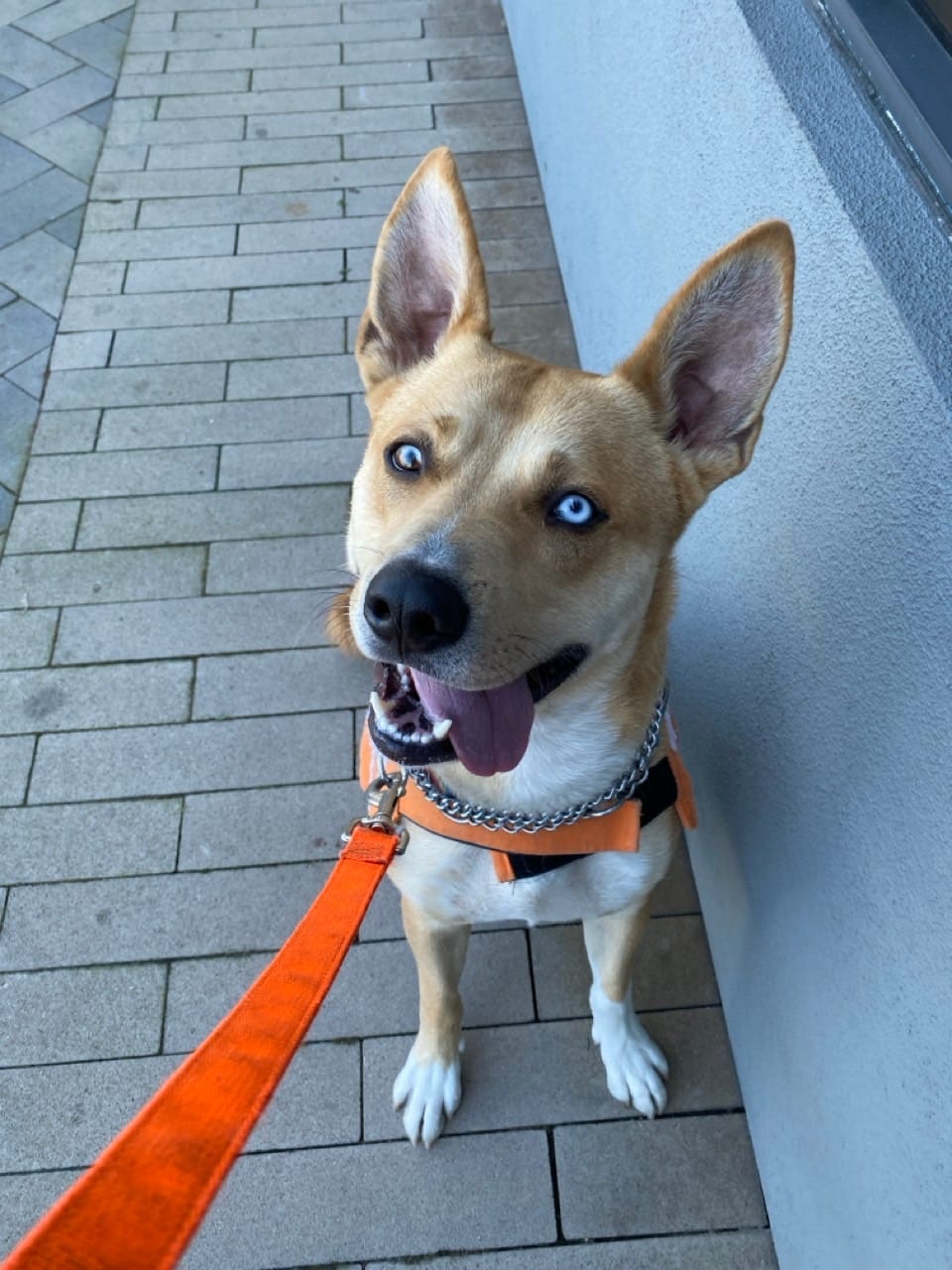
Goalie, nearly 2 years old, is the kind of dog who makes you wonder why he’s still waiting for a home. He’s potty trained, affectionate, easygoing, great with kids and other dogs, and settles into home life with almost no learning curve. This young boy loves leisurely sniff-walks, short play sessions, cozy naps and belly rubs, making him the perfect mix of playful and cuddly for both active and first-time dog owners. Goalie’s sweet personality, calm demeanor and loving heart make him an incredible companion ready to become someone’s best friend.
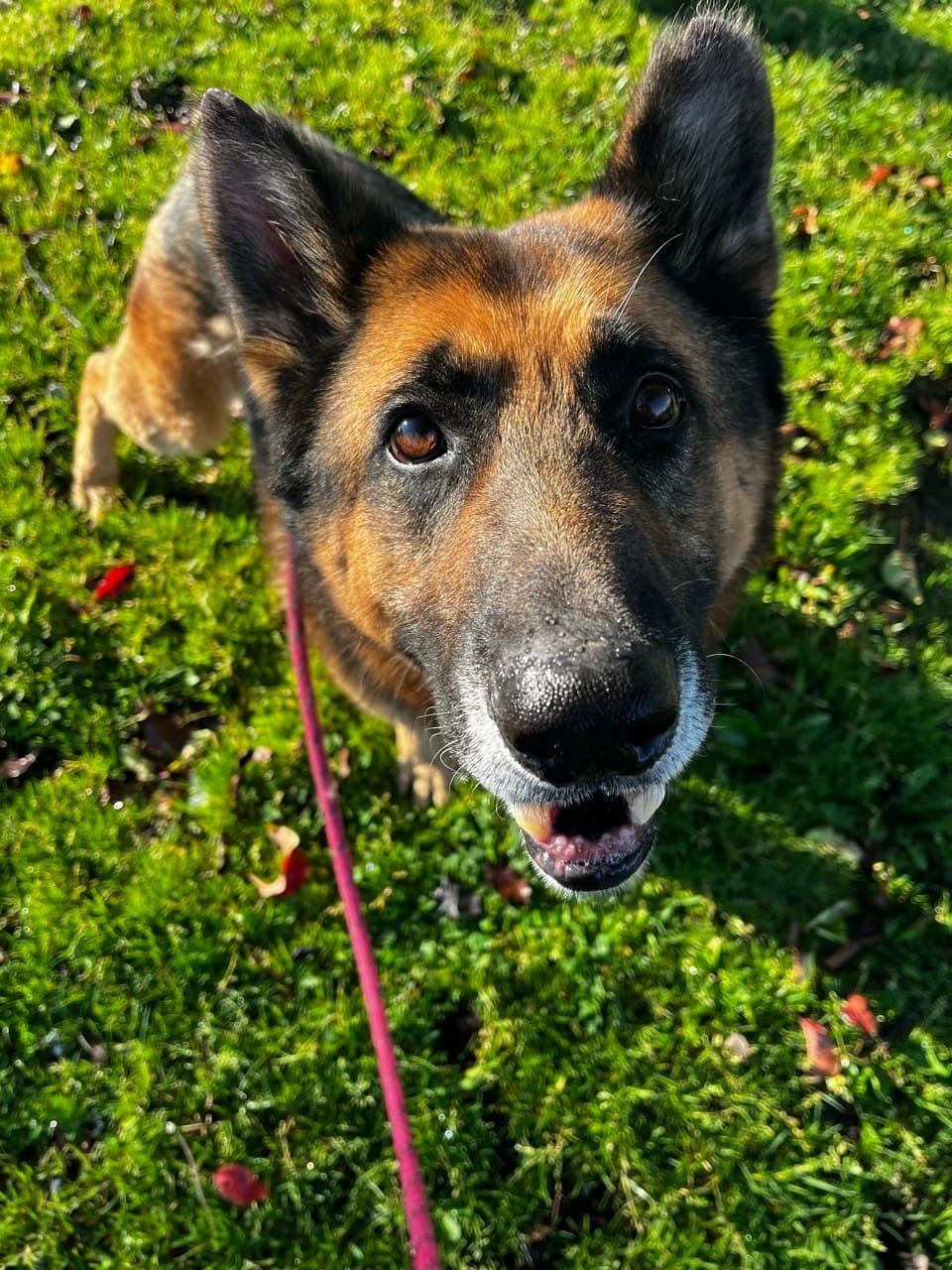
Aspen has proven himself to be an affectionate, loyal little companion who just wants to be near his people. This sweet 6-year-old loves carrying around his favorite ball, getting brushed, lounging wherever you are, and quietly relaxing around the house without barking at every little sound. Aspen is currently living with a foster family, and he is already showing what a loving, funny and devoted best friend he can be!
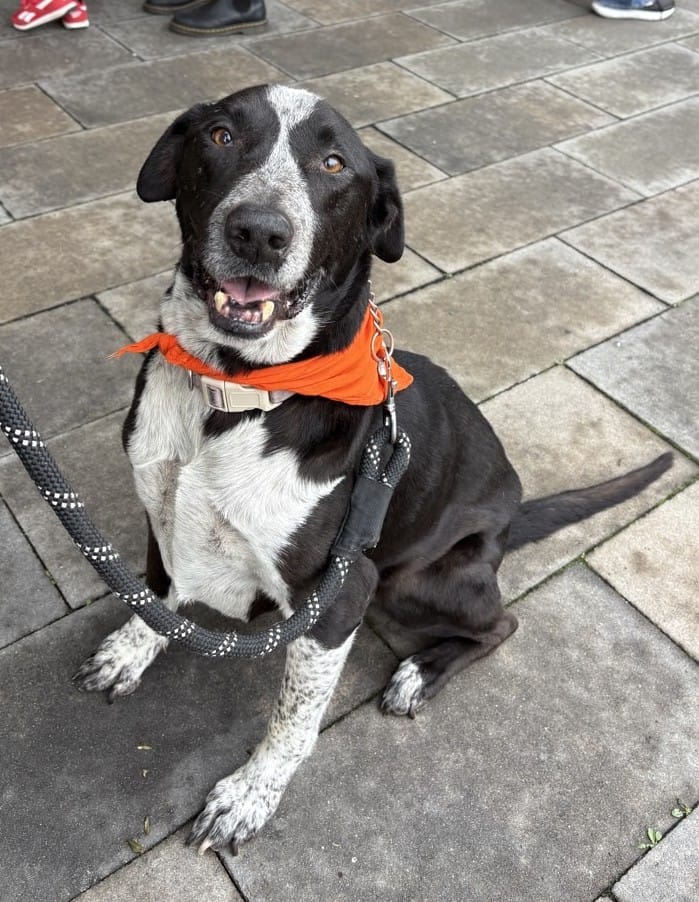
George is a gentle, loving 10-year-old senior boy who is patiently waiting for his forever family. George enjoys meeting new people and charms them with his calm, sweet demeanor. He walks beautifully on leash, loves being close to his humans, gets along well with calm dogs, and would thrive in a home where he can spend his golden years soaking up love, snacks, cozy naps and companionship.
TAIL-WAGGIN’ AND NOSE-BOOPIN’ EVENTS
Little Lion Foundation’s 10th anniversary celebration
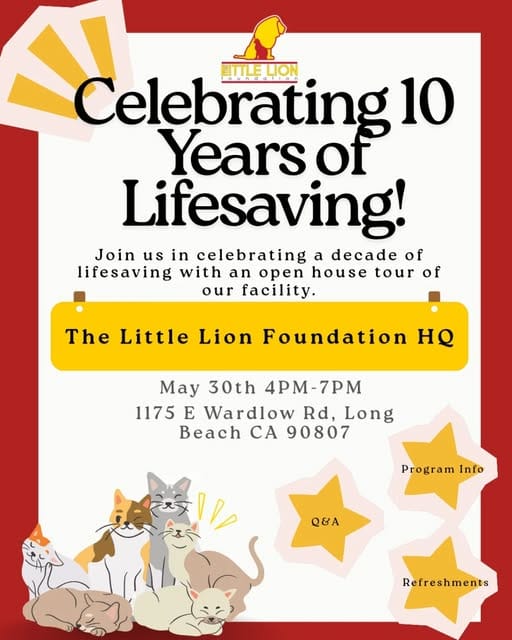
The Little Lion Foundation is celebrating a full decade of compassion, dedication and second chances at Little Lion Foundation, and you’re invited! Join the nonprofit for a special behind-the-scenes tour of their facility, where you’ll get to:
- Visit the kitten nursery and see where their tiniest fighters get their start.
- Step inside our surgical suite and learn how they provide critical care.
- Meet the incredible volunteers and staff during a live Q&A.
- Hear the stories behind the programs and the impact they’ve made over the years.
From rescue to recovery to adoption, this work is only possible because of this amazing community. Come celebrate how far they’ve come, and help them keep saving lives!
The Little Lion Foundation’s 10th anniversary celebration takes place Saturday, May 30, 4 p.m.–7 p.m. at their clinic at 1175 E Wardlow Rd., Long Beach.
Rex-ceptional Day of Pets
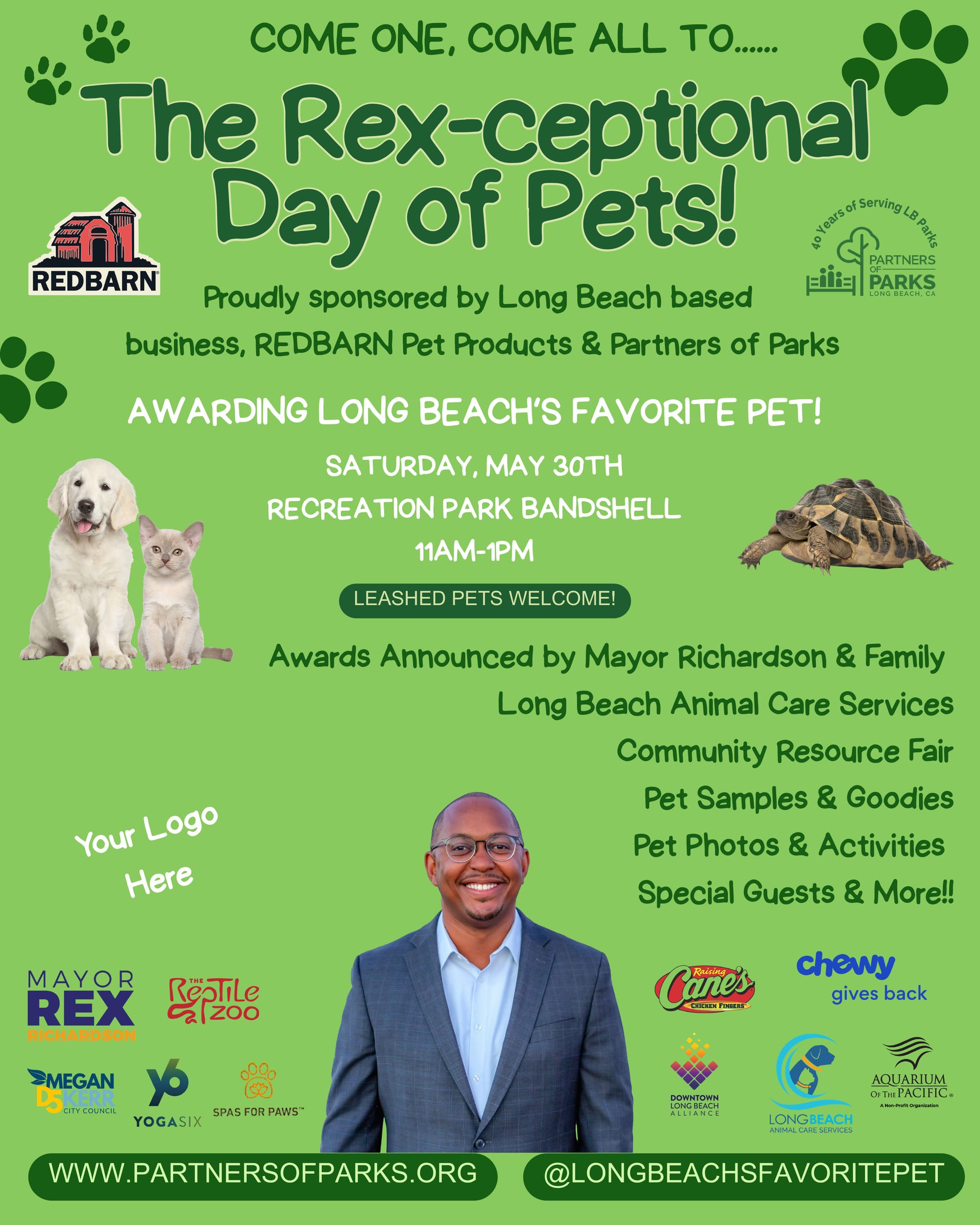
The day’s almost here! Find out who’s won the title of Long Beach’s Favorite Pet in each of three categories: dogs, cats and everything else! Partners of Parks is unleashing a couple of hours of fun and celebration of our best buddies at the Recreation Park Bandshell. Your pet is welcome, too (they must be leashed, of course, or enclosed in a carrier). A community resource fair will have resources that you may need, a sampling station from event sponsor Redbarn Pet Products will have goodies for your furry buddy, and guests will show up, including Long Beach’s very own mayor, Rex Richardson! What, no pet? LBACS will bring some for you to adopt! The event is free, so come down and cheer for the winners!
The Rex-ceptional Day of Pets takes place Saturday, May 30, 11 a.m.–1 p.m. at the Recreation Park Bandshell, 701-939 Federation Dr., Long Beach, across from Wilson High School.
Pet Loss and Illness Support Group
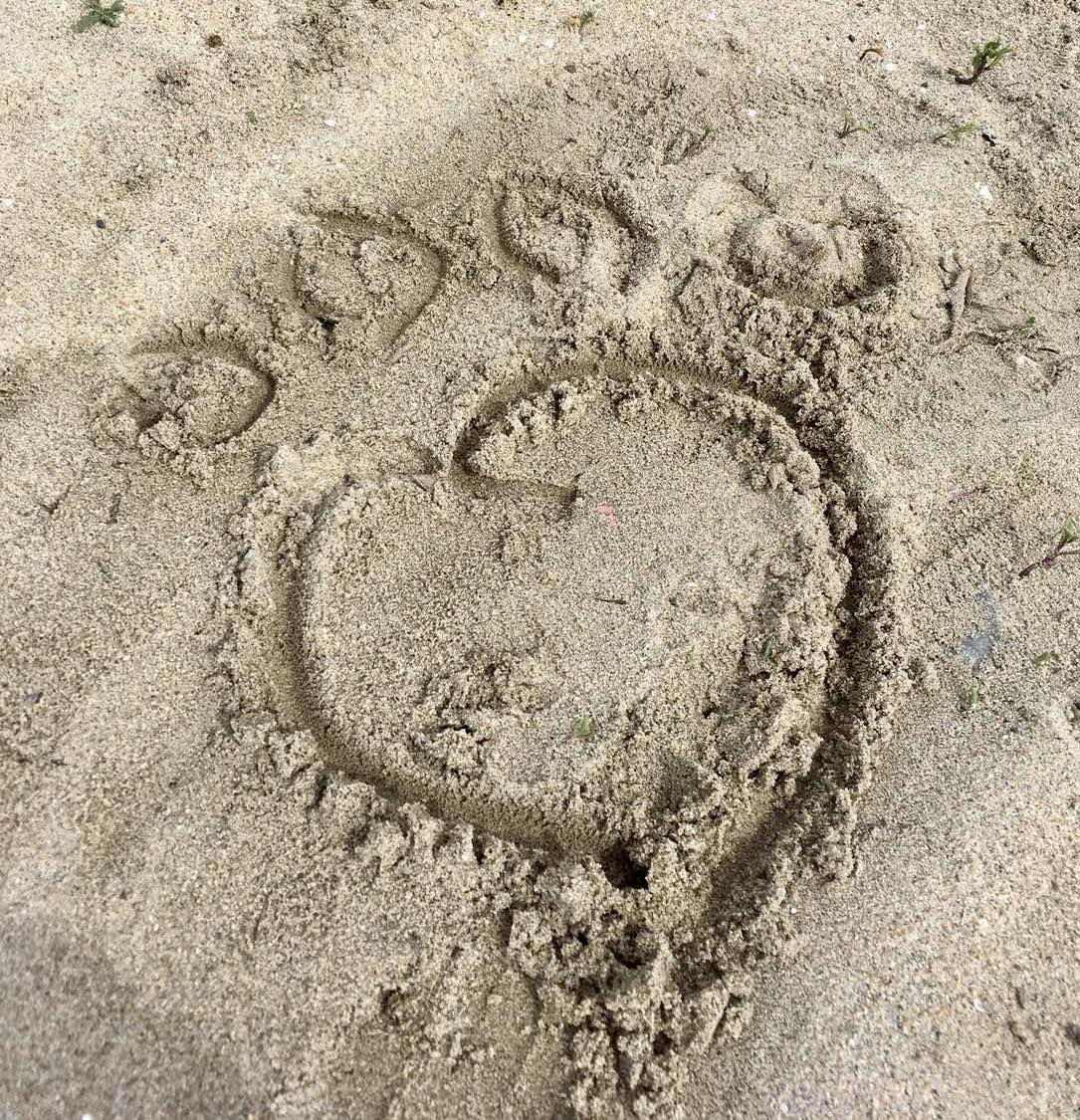
The worst day in the life you share with a pet is the day you have to say goodbye forever. Grief is personal on the one hand, and on the other hand, you have a lot of company who get what you’re going through. Helen Sanders CatPAWS rescue gets it, too, and offers a space for anyone who also gets it, who’ll never say to you, “But it was just a cat.” Or a dog, or a rabbit, or a horse, or a goldfish. The members of this group will listen, connect, and support you, and you’ll do the same for them.
The Pet Loss and Illness Support Group takes place Saturday, June 20 at 11 a.m. at the Bay Shore Church, 5100 E. The Toledo, Long Beach. No cost for the meeting, but let the leads know that you’re coming here.
Need a low-cost veterinarian, information about trapping community cats, places to volunteer, pet food, veterinary assistance, rescues and shelters to adopt from — anything pet related? Follow this link for resources. Please add your own ideas in the Comments section.
We need your support.
Subcribe to the Watchdog today.
The Long Beach Watchdog is owned by journalists, and paid for by readers like you. If independent, local reporting like the story you just read is important to you, support our work by becoming a subscriber.