Long Beach records its first West Nile virus death since 2017
There have been 41 cases in Long Beach since June, the highest number in 12 years, health officials said.

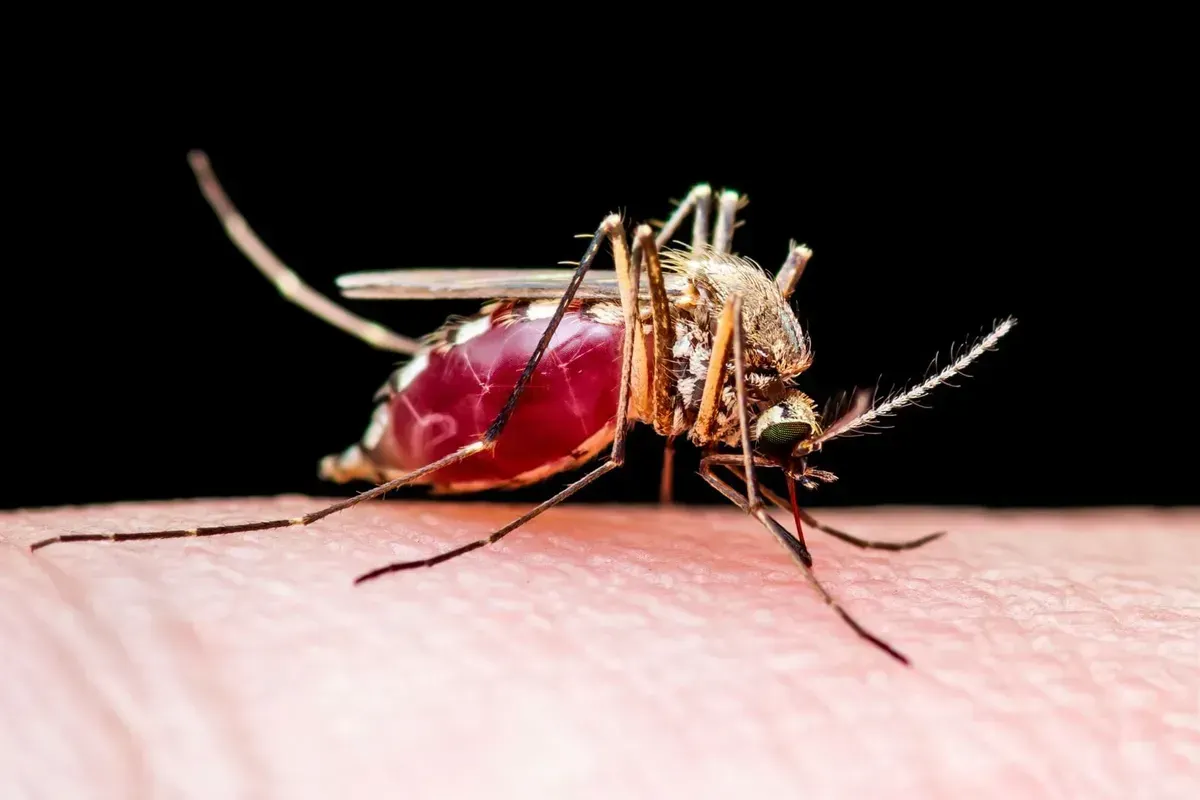
The city has seen the first West Nile virus fatality in nearly a decade, city health officials said Thursday.
The person, who the city did not identify, was hospitalized and died after developing neuroinvasive illness, officials with the Long Beach Department of Health and Human Services said.
This is the first death associated with the mosquito-borne virus reported in Long Beach since 2017, according to the city.
There have been 41 human cases of the virus reported so far in 2026, the most since 2014 when 56 cases were reported, according to city health officials.
As of Sept. 24, 41 cases of West Nile virus have been reported in Long Beach, about 71% of which developed serious neuroinvasive illness, city health officials said. The number of cases so far this year is substantially higher than at the same point in 2014, when 22 cases had been reported, according to the city.
There was just one case of West Nile virus infection in Long Beach last year, city health statistics show.
Cases of the virus are also elevated throughout California, with 147 recorded human cases as of Sept. 18, according to the state Department of Public Health.
There have been 10 recorded deaths associated with the virus this year, state health officials said.
The first human case of the virus in the state this year was reported in Long Beach in late June, according to city health officials.
Transmitted by an infected culex mosquito, West Nile virus typically spreads during warm weather, usually from June to October, city officials said.
Many factors influence the virus, including climate, the number and types of birds and mosquitoes in an area and the level of virus immunity in birds, according to state public health officials.
“West Nile virus can cause serious illness, and this loss underscores the importance of protecting ourselves and our loved ones from mosquito bites," Long Beach Health Officer Dr. Cliff Okada said Thursday. "As mosquito season continues, I urge residents to use insect repellent and eliminate standing water around their homes where mosquitoes can breed.”
Symptoms of infection include fever, body aches, rash, nausea, vomiting and headache. Most people who have been infected exhibit no symptoms, but about one in 150 could develop more serious disease that includes brain inflammation, paralysis or death, city health officials said.
People who are over 55 or have chronic health conditions are at higher risk for severe illness. People with these symptoms should seek immediate medical care, city officials said.
There is currently no vaccine or medicine to prevent or treat West Nile virus, according to the U.S. Centers for Disease Control.
On Thursday, Okada urged residents to take precautions to protect themselves from mosquito bites:
- Use insect repellent. Apply an insect repellentcontaining EPA-registered active ingredients, including DEET, picaridin, IR3535 or oil of lemon eucalyptus, before going outdoors.
- Cover up outdoors. Wear long-sleeved shirts and long pants when spending time outdoors, particularly during dawn and dusk when mosquitoes that can spread WNV are most active.
- Keep mosquitoes outside. Install or repair door and window screens.
- Dump and drain standing water. Empty items that can hold water inside and outside the home at least once a week, including flowerpots and saucers, birdbaths, buckets, children’s toys and other outdoor containers.
- Cover water storage containers. Cover buckets and rain barrels. For containers without lids, use wire mesh with holes smaller than an adult mosquito.
- Maintain swimming pools and spas. Clean and maintain swimming pools and spas and drain water that collects on pool covers.
- Remove items that collect water. Remove unused items from yards and patios that can collect water, such as old tires and containers.
We need your support.
Subcribe to the Watchdog today.
The Long Beach Watchdog is owned by journalists, and paid for by readers like you. If independent, local reporting like the story you just read is important to you, support our work by becoming a subscriber.