40 years ago, during the AIDS epidemic, the CARE Center began helping people others wouldn’t
Established at St. Mary Medical Center, the clinic connected HIV and AIDS patients to care before evolving into a facility that offered that care itself.

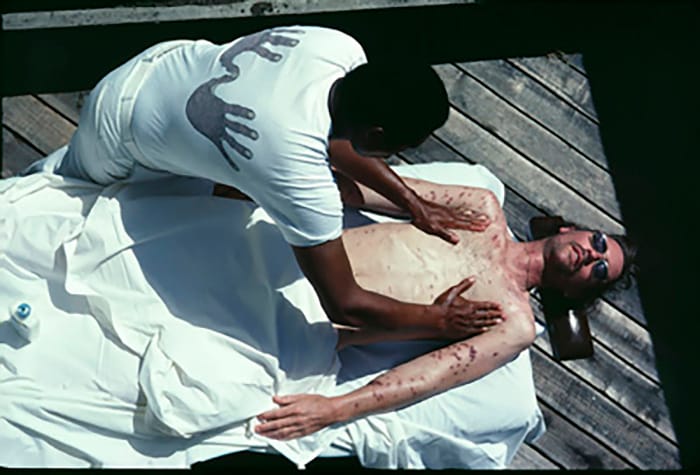
Paul Lovely, a gay man, is 60 years old. He lived through the AIDS epidemic. In 1994, at 25, his best friend Toby became infected and later died of AIDS. Shortly thereafter, Lovely also was diagnosed with HIV.
“In the mid-’90s there was still just a lot of carnage, a lot of people dying,” Lovely said. He was fortunate enough to be able to take advantage of the medications that were introduced around the time of his diagnosis.
“It’s a personal story, like many people, especially in the early days,” Lovely told the Watchdog. “It was [peoples’] friends who were dying. It was their lovers. And I thought, ‘I need to be part of this fight to honor him.’”
In 1999, Lovely began working at the CARE Center at St. Mary Medical Center in Long Beach. His first job was to educate patients about their medications. While today treatment consists of one pill per day (or one shot every six months), in 1999 HIV and AIDS patients were taking upward of 50 pills per day, Lovely said.
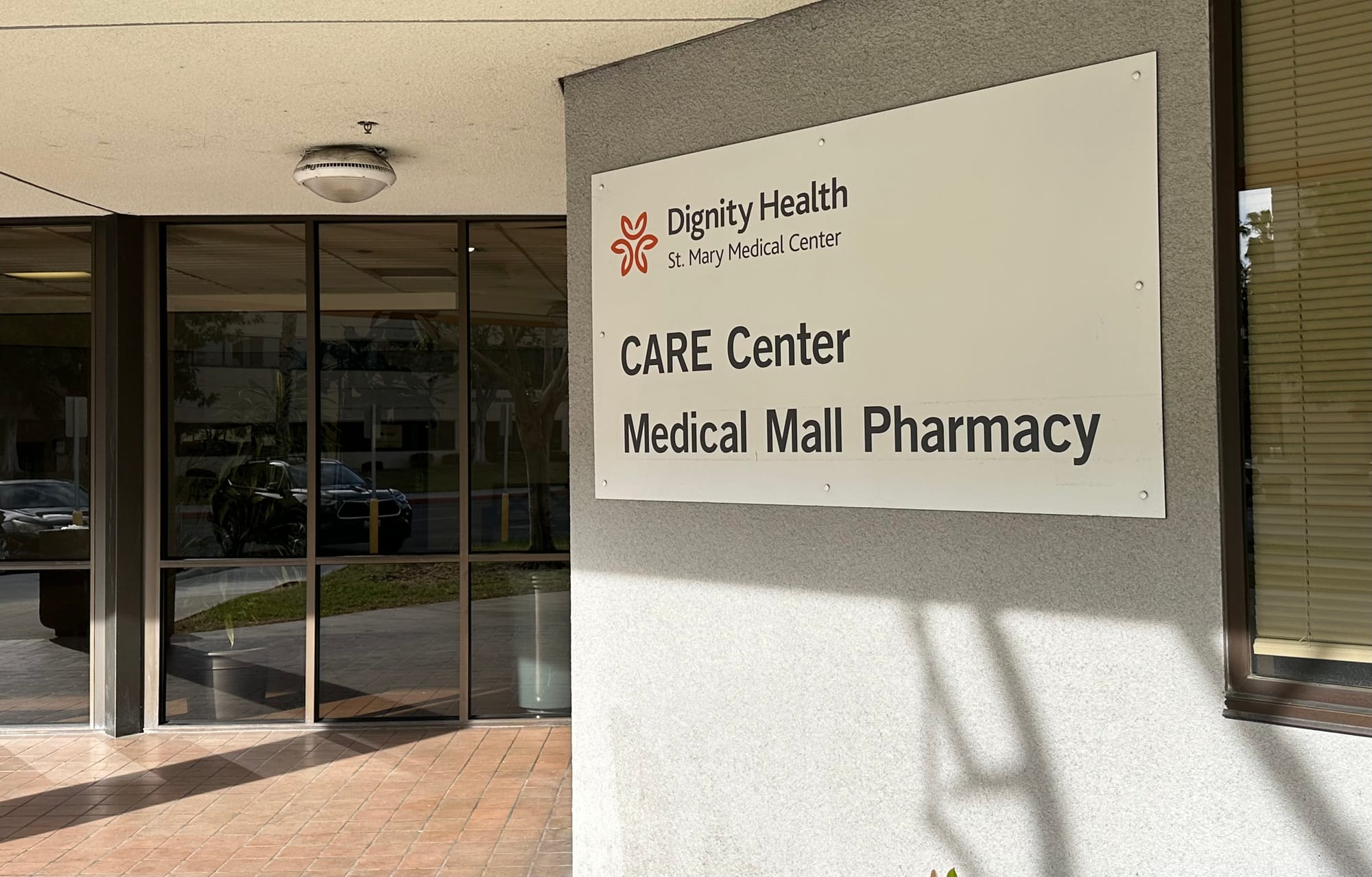
Lovely went on to be a case manager and, after numerous other roles at the clinic, established the center’s PrEP (pre-exposure prophylaxis) program in 2015. Three years later, he was named executive director, a position he still holds.
The first report identifying the appearance of the disease that would later become known as AIDS was published in June 1981, marking the beginning of an epidemic. By July of that year, 26 gay men were diagnosed with the novel disease — eight of whom would be dead within two years.
The deadly disease spread quickly and the gay community was left reeling.
Long Beach’s CARE Center was established in 1986 after Jennifer Andrews, a caseworker in St. Mary’s emergency department noticed a problem: “She saw many young, mostly gay, men come in very, very sick with AIDS,” Lovely said. “She would tell us stories of men being carried in by their partners. They just didn’t know where to go.”
Emergency services like paramedics wouldn’t touch AIDS patients, Lovely said. Many hospitals were ill-equipped to handle them. Some mortuaries even refused to take the bodies of those who died from the disease.
Andrews had the idea to establish a dedicated department at the hospital to test and help connect HIV and AIDS patients with care providers who were able to treat them. Or hospice providers willing to take AIDS patients if it was already too late for care. Or mortuaries that would accept the body of a dead AIDS victim.
“These are people who didn’t necessarily have a lot of support,” Lovely said. “Some were estranged from their families, or the families didn’t know they were gay or that they were sick. It was just a really scary time.”
The nuns at St. Mary allowed Andrews to start her program and even provided a few thousand dollars as a grant to get it off the ground, Lovely said.
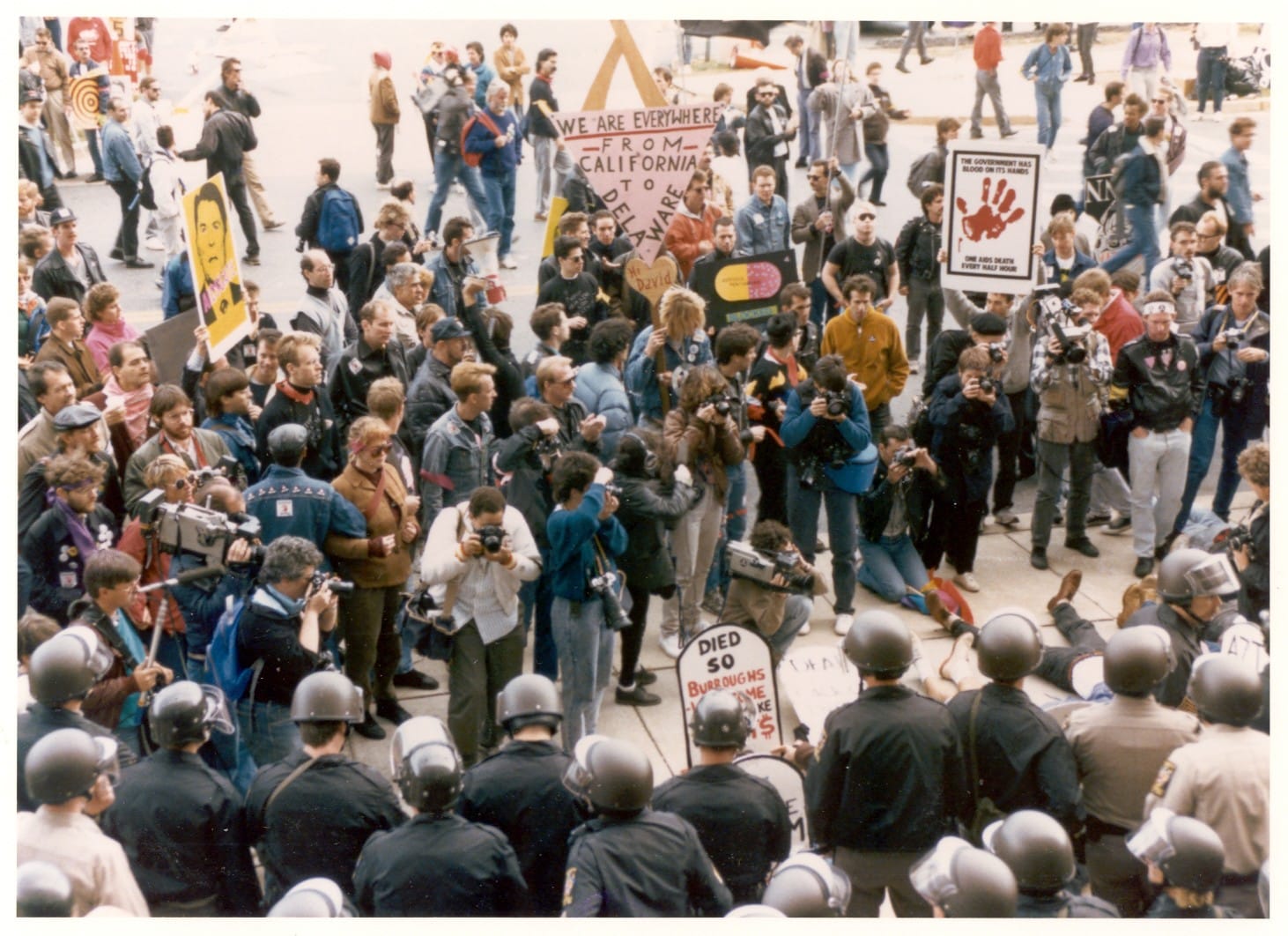
Local clinics and other organizations focused on those affected by HIV and AIDS were important within communities due to a lack of public awareness. While the Center for Disease Control and Prevention began studying the disease immediately, Ronald Reagan did not mention the word AIDS in any meaningful way until 1987 — six years into the epidemic and his presidency.
Many people have criticized Reagan’s handling of the crisis, which killed nearly 60,000 people during his time in office alone, and hundreds of thousands after. During a White House press conference in 1982, Larry Speakes, Reagan's press secretary, and reporters began laughing after one journalist referred to AIDS as "the gay plague."
“Consider that Mayor Dianne Feinstein’s AIDS budget for the City of San Francisco was bigger than President Reagan’s AIDS budget was for the entire nation,” journalist Hank Plante wrote in 2011. “That was true for two years in-a-row in the mid-1980s. In fact, Reagan’s proposed federal budget for 1986 actually called for an 11% reduction in AIDS spending: from $95 million in 1985, down to $85.5 million in 1986.”
“President Reagan did have people around him who were more engaged in dealing with AIDS, notably his surgeon general, C. Everett Koop, and Dr. Anthony Fauci at the National Institutes of Health,” Plante continued. “But in the office where Harry Truman said the buck stops, the silence on AIDS continues to be a baffling part of the Reagan legacy.”
As the years went on, more social services were added to Long Beach’s CARE Center. In 1995, at the height of the epidemic, the center opened its medical clinic. That year, the clinic had fewer than 50 patients. Today, the center treats nearly 2,000.
In 1999, the year Lovely began working at the center, the facility opened its dental clinic. In 2001, Andrews dedicated an expanded 8,300-square-foot, $450,000 clinic, which included nine examination rooms and space for clinical research, according to KFF Health News.
In the years since, more services have been added, including PrEP and PEP (post-exposure prophylaxis) services, behavioral health, a food pantry, nutrition education, support groups and counseling. The center will even assist patients in acquiring health insurance.
AIDS deaths in the U.S. have declined significantly since peaking at more than 43,000 in 1994, according to data from the Institute of Health Metrics and Evaluation compiled by Consumer Shield. As of 2023, the number of deaths had fallen to fewer than 5,700, largely due to increased screening, preventative care and refined treatments.
From the mid-’80s to 2022, new HIV infections dropped by more than 66%, according to HIV.gov.
While the care around HIV and AIDS has vastly improved over the last four decades, Lovely said the CARE Center continues to be an important hub. While other medical facilities will test and treat the disease itself, there are usually deeper issues that the center is more uniquely qualified to assist with.
“Our clients often have many other challenges,” Lovely said, citing housing, mental health and substance abuse. “We can take care of all those things.”
Discrimination is also a factor that keeps the center relevant and necessary for the LGBTQ community, Lovely said, particularly for trans people.
“They’ve just had doors closed on them and sometimes the only interactions they’ve had with health care have been very dehumanizing,” Lovely said. Those interactions can prevent patients from being honest with doctors, which makes facilities dedicated to these issues all the more important.
“Our main thing here is to make sure people feel safe,” Lovely said. “This is their safe space. We’ve got them. We will take care of them and they get treated like family.”
The CARE Center is located at 1040 Elm Ave #200, Long Beach, CA 90813.
We need your support.
Subcribe to the Watchdog today.
The Long Beach Watchdog is owned by journalists, and paid for by readers like you. If independent, local reporting like the story you just read is important to you, support our work by becoming a subscriber.