3 new state animal laws kick off the new year
The Stop the Puppy Mill Pipeline package targets cruel breeding practices and fraud.
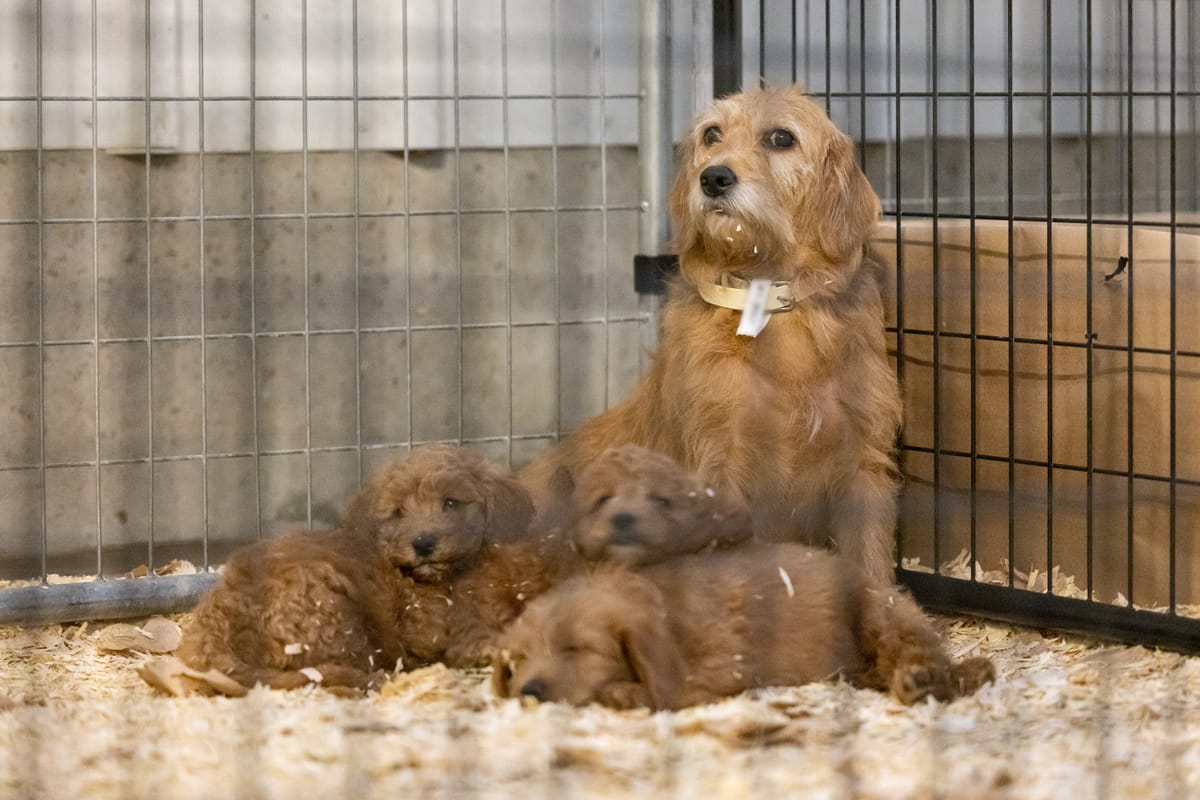
One sadly not unusual day at Fix Long Beach’s Parvo ICU, someone dropped off nine French bulldog puppies infected with the potentially deadly parvovirus. The person said that they’d found them in an abandoned house.
Whether the person had actually found them or was dropping off a litter from their own dog was unknown — the most important thing was saving the puppies’ lives. The clinic staff worked several spins around the clock and did cure them, paying for the expensive treatment with donations from the public.
People wanting popular dog breeds such as French bulldogs and goldendoodles will often purchase them from unscrupulous backyard breeders. They generally won’t do research on the breed or access rescue websites to locate one who’s been relinquished. Finding a licensed, legitimate breeder involves jumping through too many hoops. So, they’ll go the easy way and purchase a dog online, from a flyer on a signpost, or someone selling “purebred” dogs on the street and pay hundreds and thousands of dollars for a dog who isn’t properly bred and may be sick and even die. Many of the dogs, although advertised as bred in California, come from out-of-state puppy mills.
The new dog, if it lives, sometimes doesn’t get spayed or neutered because the owner doesn’t think of it or because they want to pick up some breeding bucks, too. And the cycle continues. If the litter doesn’t sell, the babies can get left at a shelter, at a rescue or in the street.
“Times are tough these days, and many breeders are just dumping,” Parvo ICU founder Sherri Stankewitz posted on social media. “Our poor local shelters are overcrowded and can't handle one more intake.”
It’s illegal to breed or sell animals in Long Beach, but people do it anyway out of ignorance of the law or because they know that total enforcement is virtually impossible. Local backyard breeders do their work online, much of it outside Long Beach, and people are reluctant to report them out of fear of retaliation.
“Rescue groups and shelters are overflowing with unwanted animals — ask anyone on the street if they know that spay/neuter is mandatory in California or if their pets are licensed,” said one rescuer who asked not to be identified by name. “I am always met with the same response: ‘Oh, I did not know.’”
Ethically void pet pipelines from out of state
To make matters worse, many pets are unethically mass-produced out of state and shipped to California via online order. Besides cruel breeding practices, the sellers often conduct unethical business practices: selling sick animals, not allowing potential buyers to meet the animals before deciding on a purchase, charging nonrefundable deposits in the hundreds of dollars, and using bait-and-switch to sell the buyer an animal different from the one advertised online.
According to a Better Business Bureau Scam Tracker Report referenced on the fact sheet for AB 506, pet selling is the number one online scam. About 36% of people who purchase pets use the internet to find pets. That’s a lot of people.
“Experts believe at least 80% of sponsored advertisements about pets were fake, and reports show that thousands of people across the nation have been scammed by fake pet sellers online,” the fact sheet read. “Pet scammers typically create fake websites and use stolen photos from legitimate sites to lure consumers in. Usually, the scammers don’t own the animals they’re selling on these sites. In nearly every fraud case, pet scammers don’t allow the buyer to visit the dog or cat in person, but instead require they send money to a supposed third party responsible for transporting the animal.”
Stop the Puppy Mill Pipeline package
AB 506 (Bennett): Protecting Pets from Predatory Practice is one of three bills in the Stop the Puppy Mill Pipeline package that California Governor Gavin Newsom signed in October 2025 and which took effect Jan. 1. The package addresses cats and dogs as well. Kitten and bunny mills also exist, I’m sorry to say.
AB 506 voids contracts between pet brokers and consumers that require a nonrefundable deposit or don’t disclose where the dog or cat came from. If the contract is voided, which can be accomplished through a civil suit, the entire deposit must be returned.
“If breeders are reselling puppies for profit and not providing medical records or disclosing their source, AB 506 gives courts the authority to require a refund for 30 days,” said Brittany Benesi, senior legislative director for the American Society for the Prevention of Cruelty to Animals (ASPCA), Western division.
The bill had been introduced earlier in a similar form, said ASPCA media and communications manager Molly Grodahl. Even though the ban on retail sales of pets in 2017 (AB 485, O’Donnell) succeeded in eliminating venues that sold puppy-mill-sourced pets, it was clear that breeders, both in and outside California, were finding other ways to sell pets in California. The first iteration of the bill died in the state senate, but they planned to bring it back, and they did.
The other two bills in the package are AB 519 (Berman): Pet Broker Sales and SB 312 (Umberg): Dog Importation: Health Certificates. AB 519 defines a broker as an entity that sell animals for profit, which nonprofit or not-for-profit shelters and rescues do not do. The bill requires maintaining health and safety standards for pets and providing full transparency of sales contracts and animals themselves.
SB 312 specifies that any seller, transporter or importer of a pet must submit a health certificate online to the buyer and the health department where the animal will be transported. The health department must retain the certificate for at least five years.
A few months ago, the Los Angeles Times published a stunning series of articles that did a deep dig into the puppy mill business. The reporters came up with a lot of buried bones —selling sick, dying animals, and predatory practices of bait-and-switch, charging deposits that the breeders had no intention of returning, and the outrageous discovery that California health departments were routinely destroying health records that include information about an animal’s health and the broker’s location. The series was instrumental in the bills’ development and passage.
“The articles helped greatly in that respect and helped move it forward,” Benesi said. “Whether online or through transporters, the breeding mills are still reaching California consumers.”
Benesi said added California has typically led in animal legislation and that Colorado is introducing legislation similar to the Stop the Puppy Mill Pipeline package.
Access the links on each bill description for the full texts and histories. If poring through pages of legislative detail isn’t your idea of a party, you can find the bills in nutshells here.
What about enforcement?
Existing mandatory spay/neuter and breeding laws have seemed difficult to enforce. Will the state laws be more successful?
Benesi agreed that animal service providers and humane law enforcement need more resources and funding to make existing local laws work, which is public expectation. The new state laws, however, do have claws in this respect. People who have been taken in by an out-of-state seller or who is refused a health certificate can contact the office of the California attorney general, a city attorney or city prosecutor, a county counsel or a district attorney. For information, see the links to local officials at the end of the article.
“We hope that these bills will have indirect benefit [for local issues] with the enforcement tools,” Benesi said.
If enforcement of the Stop the Puppy Mill Pipeline package works nearly as effectively as AB 485 did on pet stores, it will be good for consumers, shelters and, hopefully, animals. I hope the pets rendered unsellable have somewhere safe to go.
As always, it takes a community
Aside from reporting scofflaws, the best thing we can do is choose our buddies with care, especially if you want a particular breed. Don’t take the bait from online sales, the flyers on street signs advertising litters for sale, or alleged “rehoming.” According to the unidentified rescuer, online breeders frequently disguise their sales as rehoming to get by any kibosh on advertising pets for sale.
“That’s definitely a practice that we’re aware of,” Benesi said. “An individual can’t post more than three rehoming situations a year. If someone’s on Craigslist with litter after litter, this bill will focus on that. It’s a whack-a-mole situation, and we’re dedicated to finding every hole.”
Benesi said that for various reasons, purebreds and litters are increasingly relinquished to shelters, so if a person is set on a particular breed, hit the shelter first. Access breed-specific rescues, or if you don’t mind spending a lot of cash for a responsibly bred animal, find a responsible breeder who’ll allow you to meet them and the pet and will provide medical records before you pay a cent.
If you suspect illegal breeding, alert animal control, and encourage spay/neuter. The link at the end of the column has resources for low-cost options.
“We’re trying to keep animals out of shelters,” she said. “Our shelters are at a crisis point and are operating above capacity.”
Unethical breeders aren’t going to completely disappear from cyberspace or the meat world. Of course, some credit might be offered to the LA Times, but the fact that three animal-loving legislators put together a package of hard-hitting bills and got them passed inspires hope.
“California has officially put a stop to the puppy mill pipeline from using its most deceptive techniques to ship sick, cruelly bred puppies into the state to profit off of unknowing consumers,” Benesi said in a recent article. “We are grateful to Governor Newsom for signing the three puppy mill pipeline bills into law and to Senator Umberg, and Assemblymembers Berman and Bennett, for their leadership championing these bills to further increase transparency in pet sales, better protect California consumers, and ensure that bad actors cannot profit from cruelty.”
Maybe the next set of bills will deal with in-state sales and other issues. Stay tuned for news about AB 867 (Lee), which bans the practice of declawing cats when not medically necessary.
Resources
Pet adoption
If you’re stuck on a particular breed of dog or cat, check your local shelter first. Rescue aggregates also will identify breeds within a specified radius of your home. Three popular ones are ASPCA’s shelter adoption page, petfinder.com and adoptapet.com.
The ASPCA always encourages people to adopt from a local shelter, but if you are willing to spend money on a specific breed, learn how to identify a responsible breeder here.
Legislative contact information
Long Beach Animal Care Services
Los Angeles County District Attorney
Orange County District Attorney
YOURS DROOLY
Dog (mostly) rescuer and advocate Sherri Stankewitz continually inspires awe. She hears of a hopeless canine case, and she grabs up the dog, fixes it in every sense, and eventually finds it a home. She scoops up sick and crippled pups in Tijuana, gets them spayed or neutered and well, and gets them homes, too. In 2023, she opened the parvo ICU at Fix Long Beach when she was given the chance to utilize an innovative treatment for the deadly disease. Puppy vaccinations prevent the disease, but the number of unvaccinated dogs from puppy mills, backyard breeders and owners who can’t afford them or don’t bother with them fills veterinary clinics and euthanasia chambers. And when she takes an actual vacation, she always discovers some need involving pets, people or both and brings along medicine and food to help them out.
Long Beach Animal Care Services (LBACS) is one of the shelters that’s at its limit with pets, especially dogs. Stankewitz and her team find time and space to board them at their clinic. Meet two of the LBACS dogs and one abandoned cat. The volunteers will best tell their stories because she’s fully unleashed in what she says.stictio To adopt, email sparkyandthegang@yahoo.com. Donate to their Chewy Wish List here.

“This li’l dude is almost full grown at 10 pounds! Tommy Two-Tone came to our rescue via Long Beach Animal Care Services (LBACS). An officer found him in an abandoned crate submerged in dirty water. He was wet and full of fleas. Rescue volunteers hope that Hell is especially hot in summer for the loser that abandoned him. To add insult to injury, Tommy tested positive for parvo. He required 24-7 care and extremely expensive medication. A big thanks to the ICU Parvo staff at The Fix Project Long Beach for saving his life. Tommy is now healthy and happy as he could be in a foster home. He’s very independent and plays with toys nonstop, is good with other dogs, and loves to cuddle. Tommy’s also great on a leash and has learned to retrieve. He’s neutered, microchipped and fully vaccinated.”
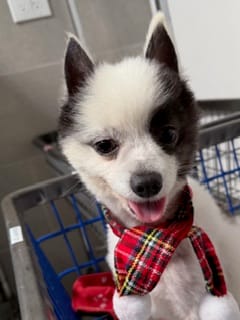
“Snowflake is 5 to 7 years old and weighs a whopping 6 pounds. Somehow, Snowflake, who also came to us, from LBACS, lived in a home for all those years but ended up attacked by another dog. He was then abandoned by his owners once he was at the shelter. Soggy Dog Pet Grooming on Seventh Street in Long Beach kindly groomed him for this darling photo. The little guy was thrilled to wear the plaid scarf and sat patiently for a harness and collar — just a reminder that every animal at any shelter once belonged to someone. Rescue will find Snowflake a forever home, and his bite scars will heal. He has a great attitude and is not dwelling on his abandonment.”
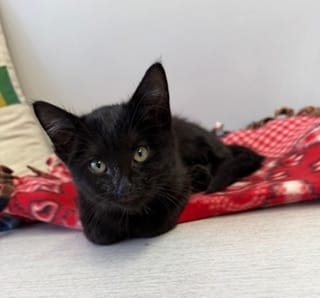
“We are predominantly a dog rescue, but Cole is the second kitten we’ve had this month. It appears that it is a perfectly normal thing to just dump an animal and let someone else take on their responsibility. Li’l Cole was left in a box in our clinic parking lot, nose covered in dried snot and eyes sealed shut. There are cameras all over our parking lot and a recording alerted to monitoring, and there’s also a sign on the door advising where to take a sick pet if we are closed. Nonetheless, Cole was left to possibly die. This kitten is darling, purrs the minute he is held, and is full of mischief and fun. He’s currently on antibiotic, and we’ll vaccinate, chip, and neuter accordingly. Another little life saved, but rescue can only go forward once forever homes are found.”
TAIL-WAGGIN' AND NOSE-BOOPIN' EVENTS
Your New Year’s resolution: I will volunteer at a shelter or rescue
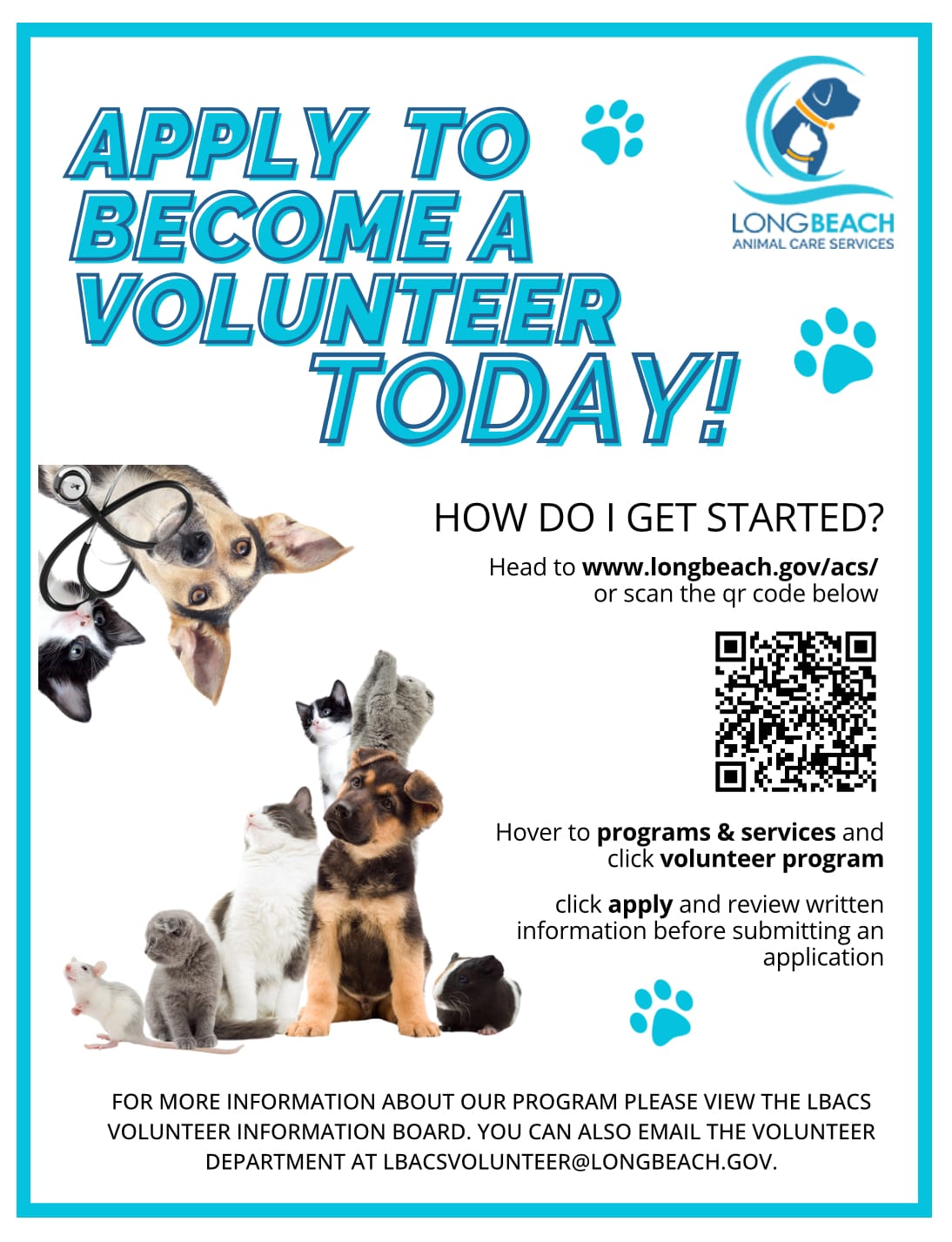
Animal shelters and rescues are typically understaffed and underfunded. They rely on volunteers who love animals and want the best outcome for them to walk dogs, change litter boxes, transport them for medical care, help with paperwork and do any other task that they need done. If that sounds like a good way to spend your spare time, access this link, also at the end of the article. It lists shelters and rescues as well as resources where your help will be welcome!
Drag Bingo fundraiser for The Little Lion Foundation

Caring for homeless, newborn or sick kittens can be a drag, but you can make it so in the best way possible by attending The Little Lion Foundation’s Drag Bingo event and raise funds for caring for these kitties! The purr-fectly entertaining evening features local icon hosts Mia Anastasia Farrow and Robbie Osa, who’ll keep the energy as high as an orange cat with zoomies! You’ll enjoy singing, sipping on cocktails, munching goodies, shopping the vendors and, of course, shouting “Bingo!” All proceeds from ticket sales will be donated to support Little Lion’s local cat rescue programs.
Drag Bingo will take place Friday, Jan. 12, 7 p.m.–10 p.m. at the Altar Society Brewing Co. in Downtown Long Beach, 228 Pine Ave. Tickets from $33.85, available here. Early bird discount through Dec. 31; bar and food available but not included.
LBACS marches in the Dr. King parade
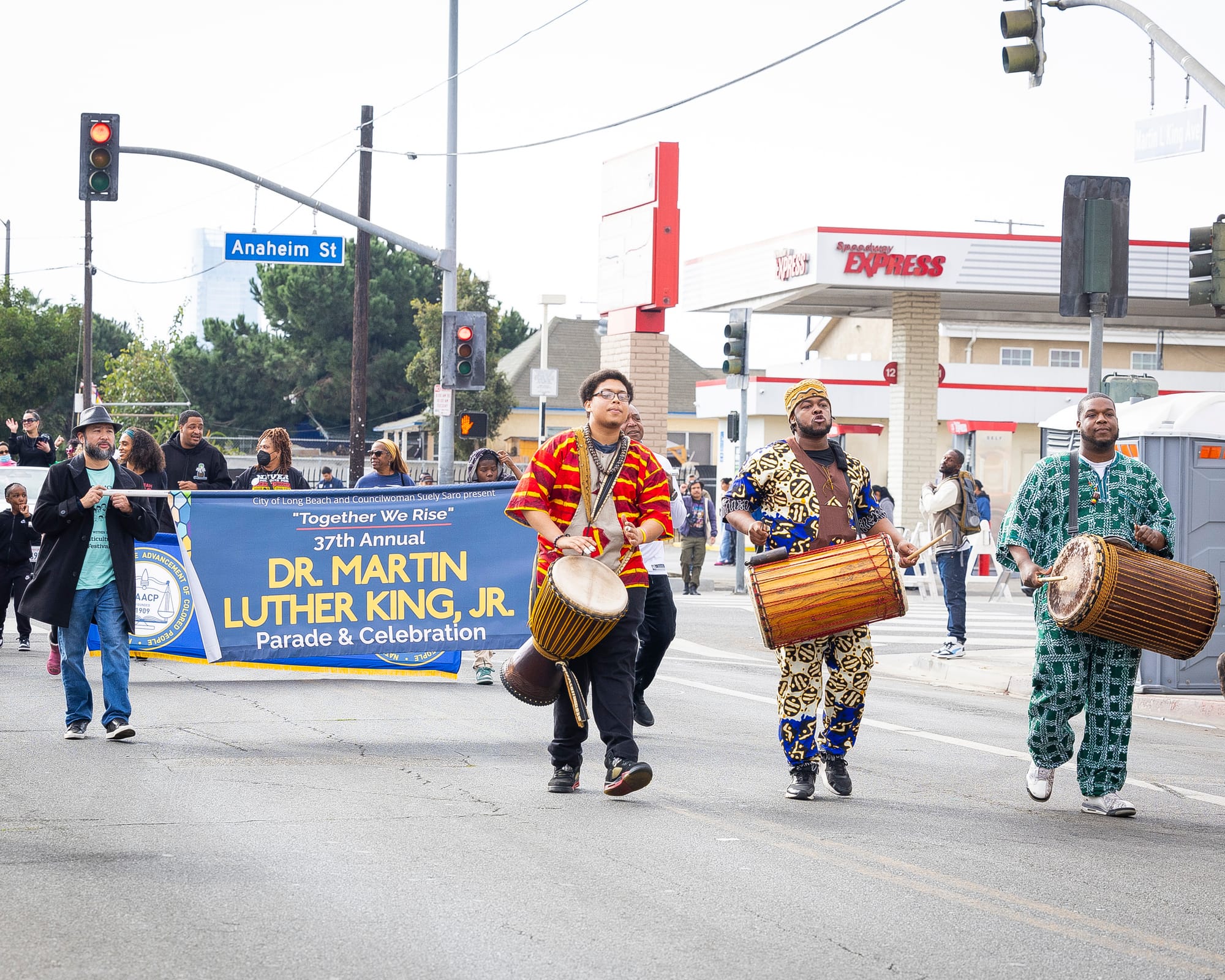
The City of Long Beach and the office of Sixth District Councilwoman Dr. Suely Saro proudly present the 38th annual Martin Luther King Jr. Parade and Celebration, a family-friendly event honoring the life, legacy and values of Dr. Martin Luther King Jr. Our shelter at Long Beach Animal Care Services (LBACS) will trot along a few dogs. A celebration will follow that will include a main stage with live entertainment, a kid zone, and food and merchandise vendors.
The parade kicks off at 10 a.m. at the intersection of Martin Luther King Jr. Avenue and Anaheim Street. The celebration runs on Saturday, Jan. 17 from noon to 5 p.m. at Martin Luther King Jr. Park, 1950 Lemon Ave.
Need a low-cost veterinarian, information about trapping community cats, places to volunteer, pet food, veterinary assistance, rescues and shelters to adopt from — anything pet related? Follow this link for resources. Please add your own ideas in the Comments section.
We need your support.
Subcribe to the Watchdog today.
The Long Beach Watchdog is owned by journalists, and paid for by readers like you. If independent, local reporting like the story you just read is important to you, support our work by becoming a subscriber.