1st rabid bat found in Long Beach since 2014, city says
'Once people and animals are infected with the rabies virus and begin to show symptoms, it is almost always fatal,' city health officials said.

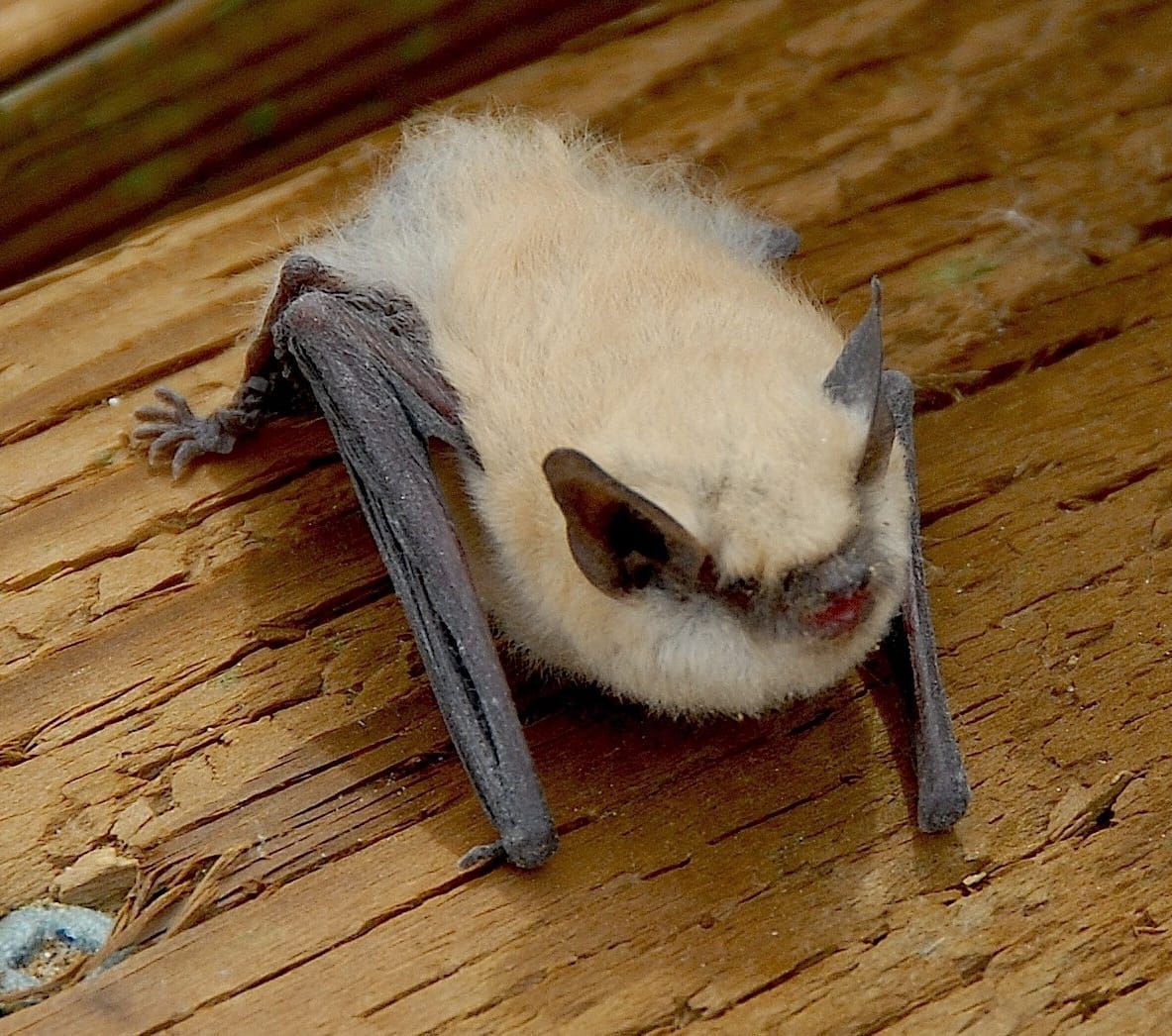
The first bat in a dozen years has tested positive for rabies in Long Beach, city health officials said Friday.
Bats are commonly found throughout Southern California, and while rabies-positive bats have been found in Los Angeles County every year, this is the first confirmed detection in Long Beach since 2014, according to officials with the Long Beach Department of Health and Human Services.
State public health officials haven’t yet identified the species of the rabid bat, according to the city. But in general, canyon bats and Mexican free-tailed bats are among the bat species typically found in Los Angeles County, a city public health spokesperson said.
Rabies is a rare but potentially deadly virus that infects the brain. People and animals can get rabies from the bite of an infected animal, health officials said.
Here in California, bats and skunks are the animals that most often get infected, according to city health officials.
A person can get exposed to rabies if saliva or nervous tissue from an infected bat enters the body through a bite, scratch or wound, or through the eyes, nose or mouth, city officials said. Bat bites can be extremely small and may "feel like a pinprick" or go unnoticed, according to city health officials.
"Once people and animals are infected with the rabies virus and begin to show symptoms, it is almost always fatal," city health officials said in a statement released Friday.
There's been an increase in bats contracting rabies in Los Angeles County over the last few years, though health officials aren't sure why.
On Monday, L.A. County officials confirmed 69 rabid bats this year, which matched the record set in 2025, according to ABC7 News.
Nearly 70% of the infected bats were found in the Santa Clarita Valley, according to the County Department of Public Health.
"About 15-20% of bats tested locally have rabies but less than 1% of healthy bats are thought to carry rabies," county health officials said on this rabies website.
Long Beach Health Officer Dr. Cliff Okada said residents should never touch a bat or other wild animal and never allow pets to interact with them.
"Even small or unnoticed bites can transmit rabies," the city said Friday.
Here are some other steps residents can take to protect themselves and their pets:
- If you find a bat in or outside your home, do not touch it with bare hands. If it can be done safely, carefully cover the bat with a box or container and contact Long Beach Animal Care Services at 562-570-7387.
- If you are bitten or scratched by a bat or may have had contact with one, wash the affected area thoroughly with soap and water and seek medical care right away. Rabies can be prevented with prompt post-exposure treatment.
- Make sure dogs and cats are up to date on their rabies vaccinations. If a pet has contact with a bat or other wild animal, contact Long Beach Animal Care Services for guidance.
- Bats that are active during the day, on the ground or unable to fly may be sick. Do not touch the bat.
- Search for small openings in walls, including electrical and plumbing holes, and seal them with caulking. Install heavy-duty wire mesh over vent openings. Ensure all doors to the outside close tightly. Use window screens, chimney caps and draft guards beneath attic doors.
For more information about rabies, contact Communicable Disease Surveillance and Control at 562-570-4302.
We need your support.
Subcribe to the Watchdog today.
The Long Beach Watchdog is owned by journalists, and paid for by readers like you. If independent, local reporting like the story you just read is important to you, support our work by becoming a subscriber.